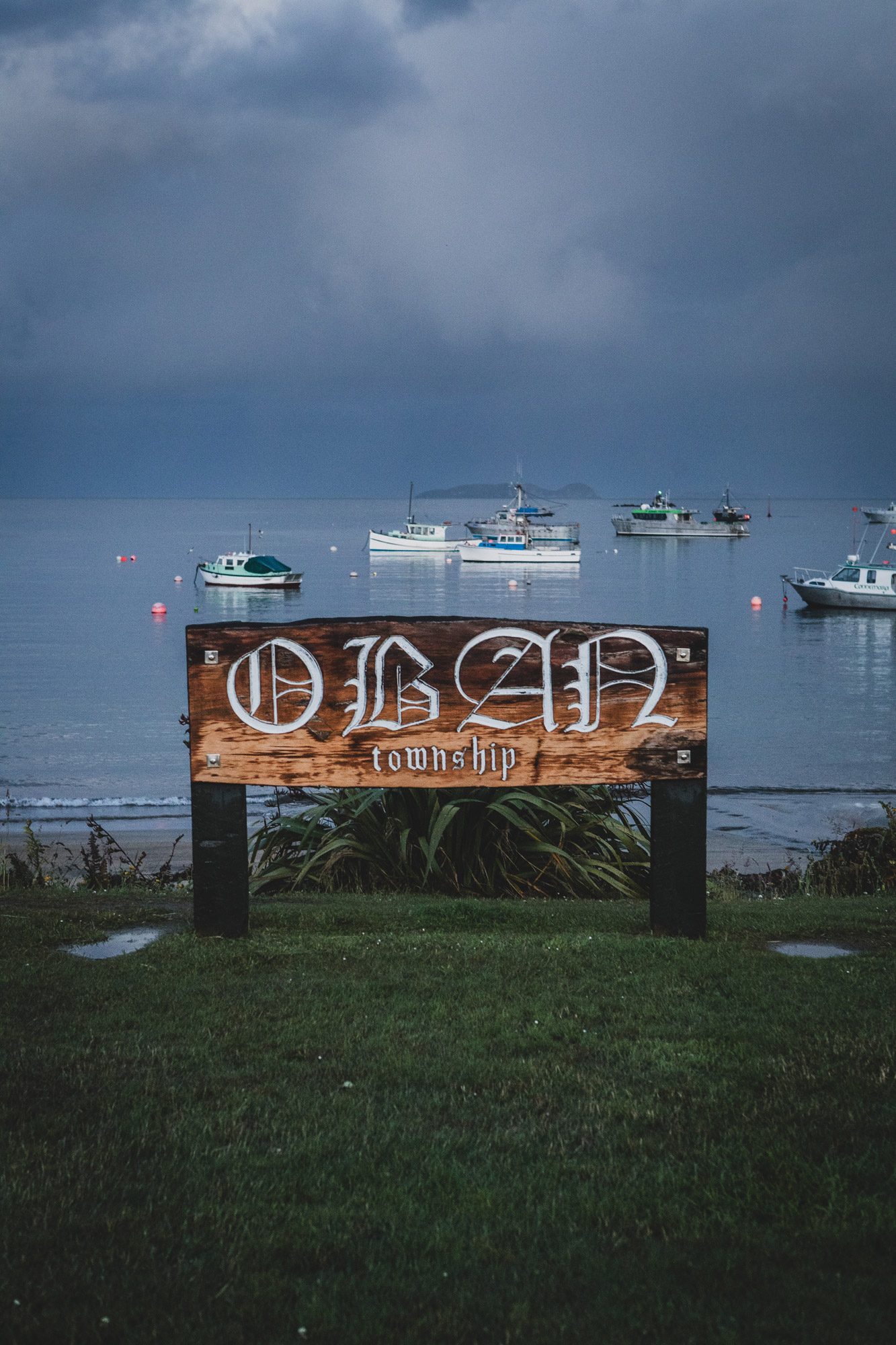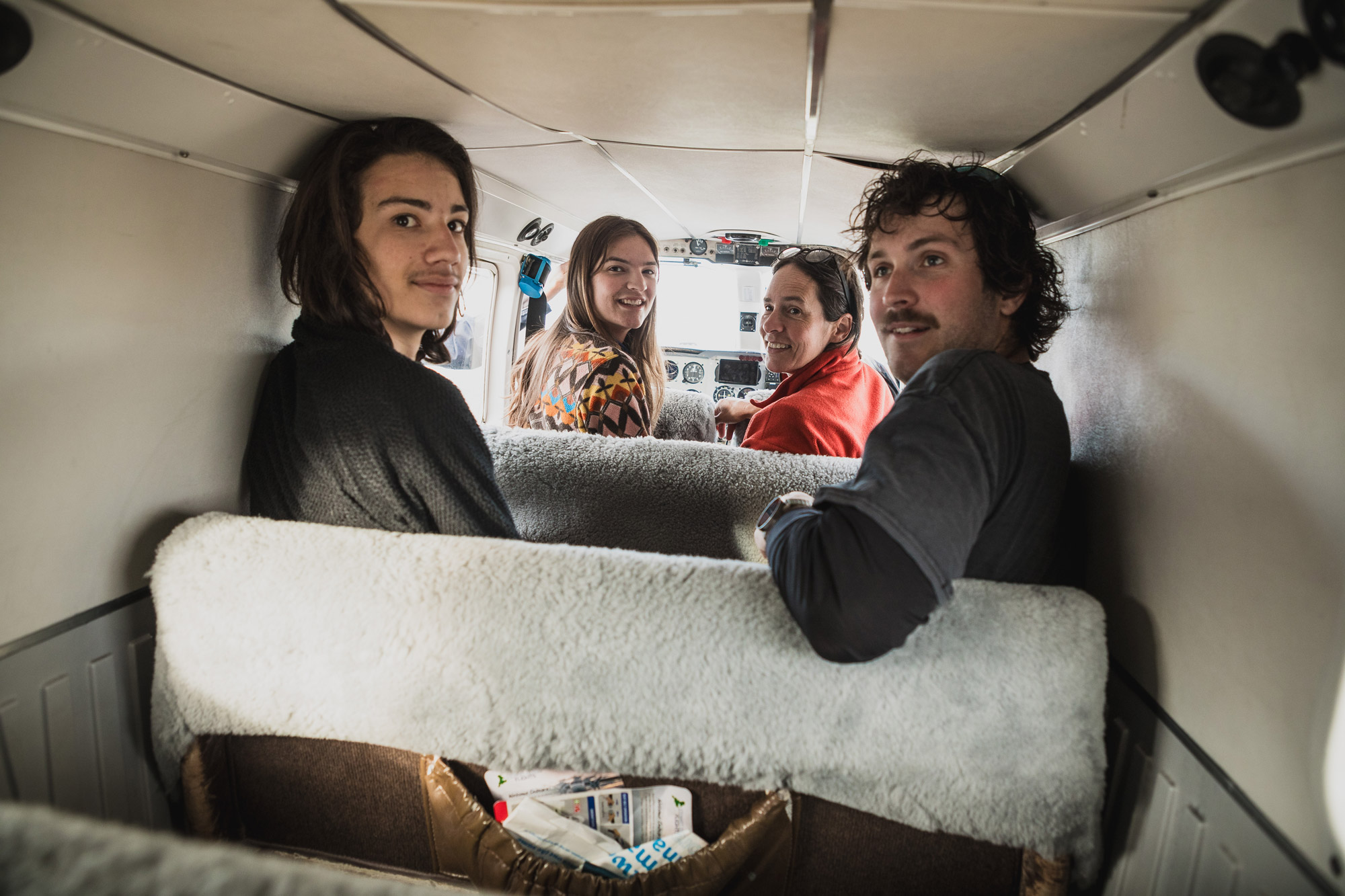
I don’t think I’ve ever planned a tramp that generated as much interest, or as many warnings, as our decision to walk the Southern Circuit on Rakiura Stewart Island. Every single person I mentioned it to had an opinion. Everyone talked about waist-deep mud. Plenty warned us about relentless rain. Others focused on the long days. People had strong views about our route, which direction we should walk it, and which sections were worth skipping altogether.
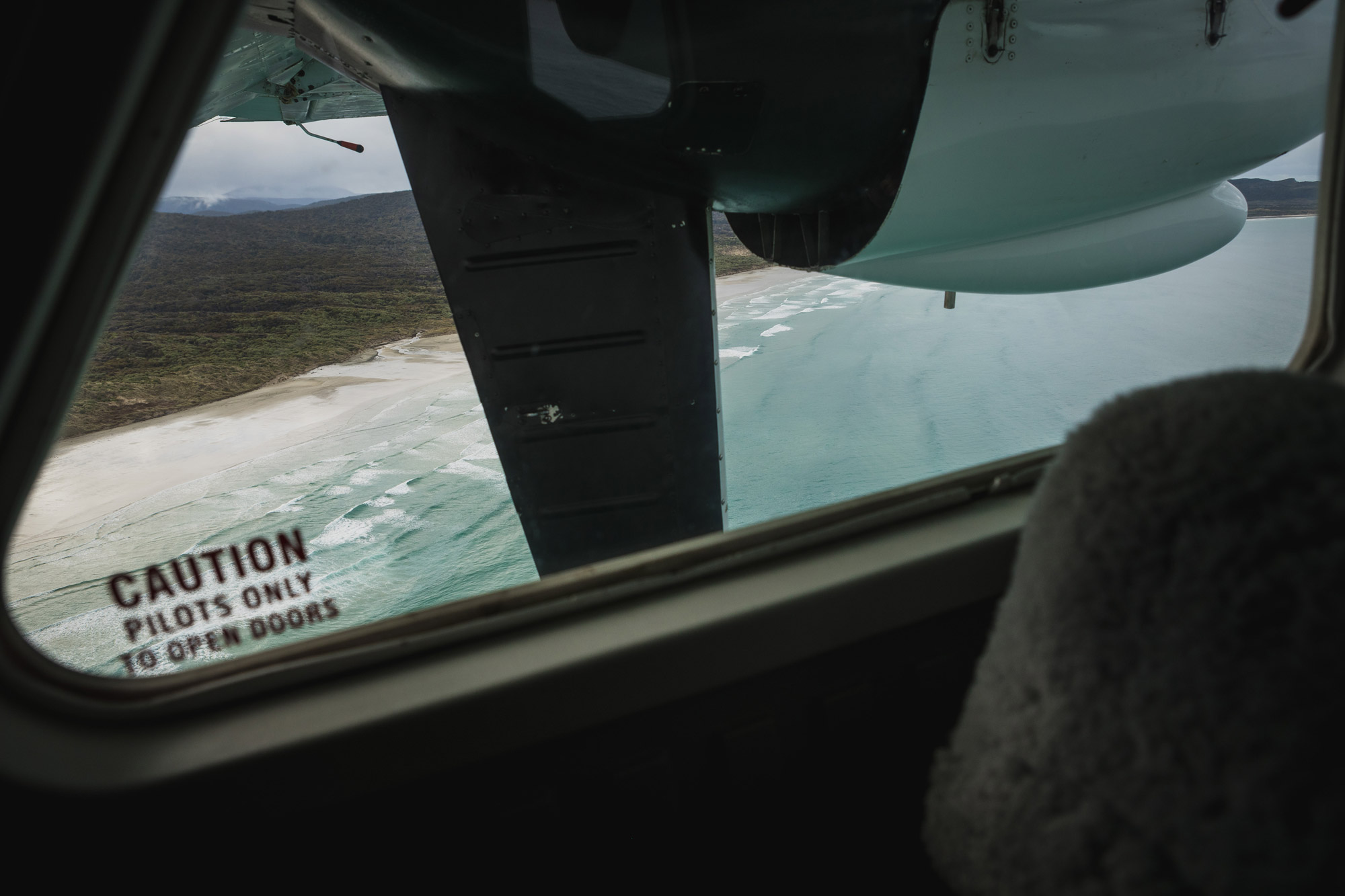
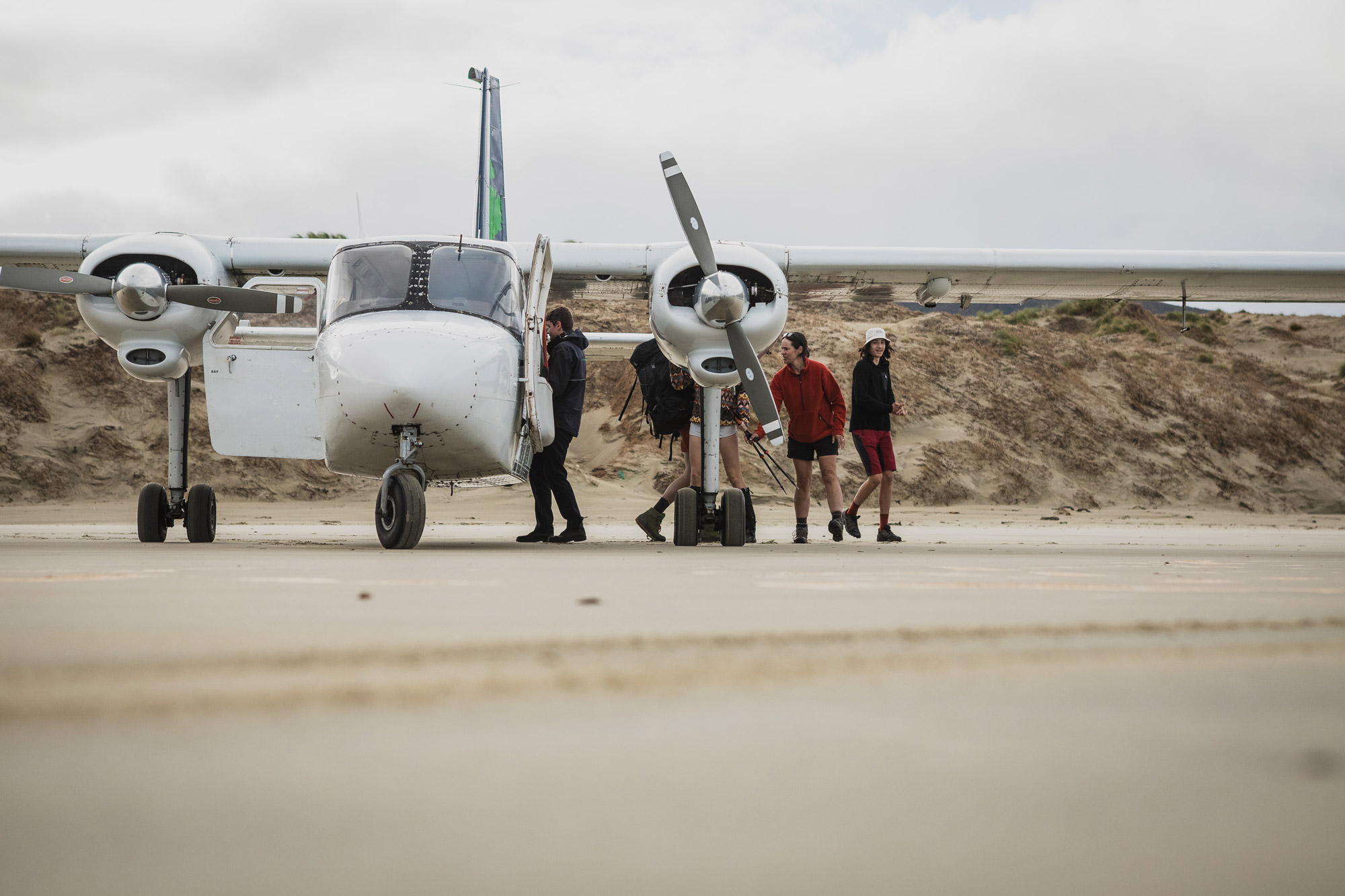
Luckily, mixed in with the noise were a few voices I trust. Not just because they are exceptional mountain bikers, but because Anja, Tristan, and Sacha all work for DOC and have spent extended periods on the island. They know it intimately and understand exactly how it treats visitors. With their input, a plan was hatched. Fly into Mason Bay. Walk south over Adams Hill to Doughboy Bay for night one. Then over Doughboy Hill toward Rakehua Hut for night two. Finish with a night at Fred’s Camp before catching a water taxi back to Oban.
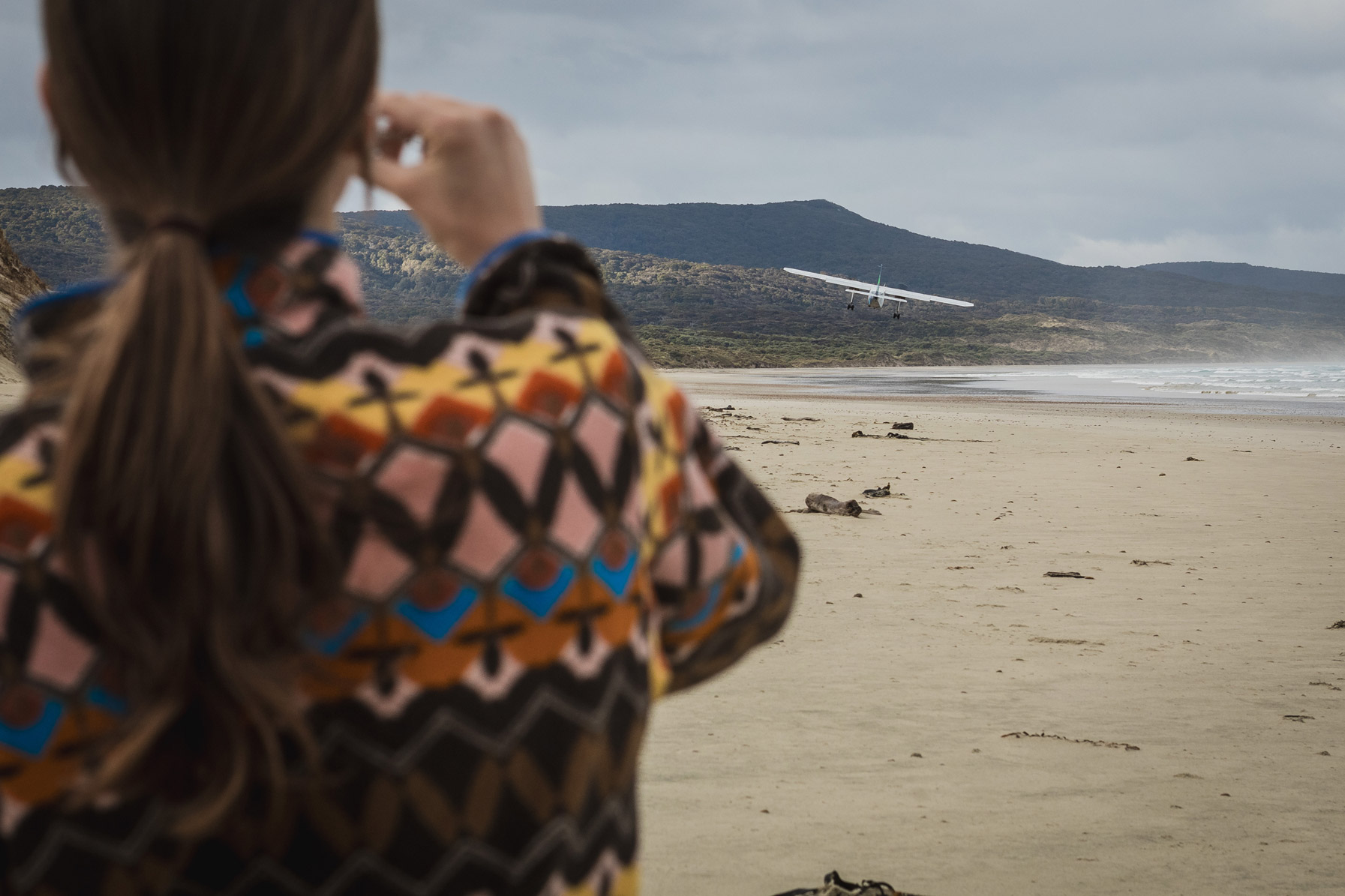
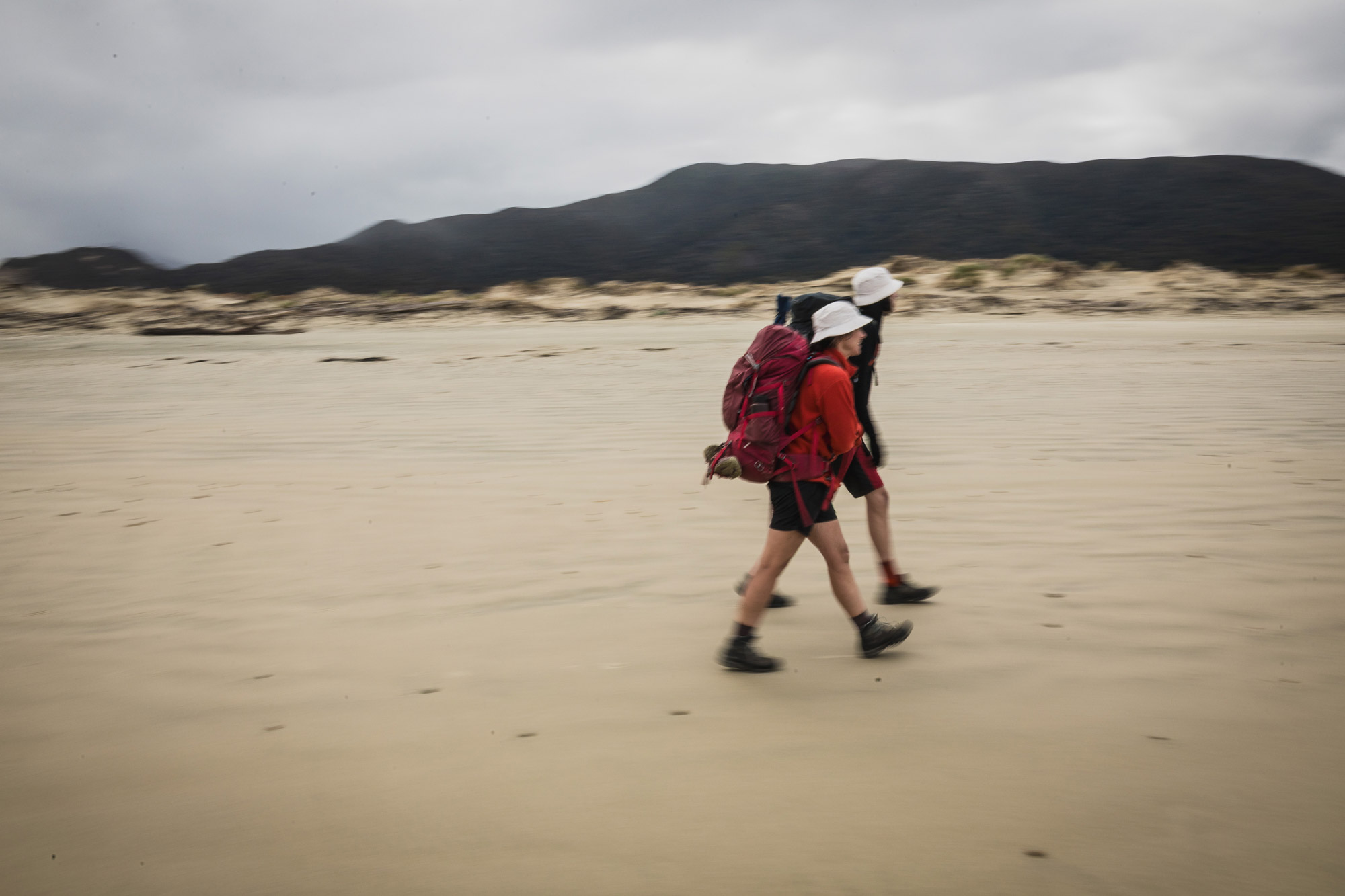
With my Tararua hat on, the days looked mellow. There were no significant peaks on the route. Adams Hill tops out at 401 metres, Doughboy Hill at 411 metres, and the rest looked like pleasant ridge and valley travel. It wasn’t until about two hours after landing at Mason Bay in the tiny Stewart Island Airlines plane that we truly understood what everyone had been talking about.
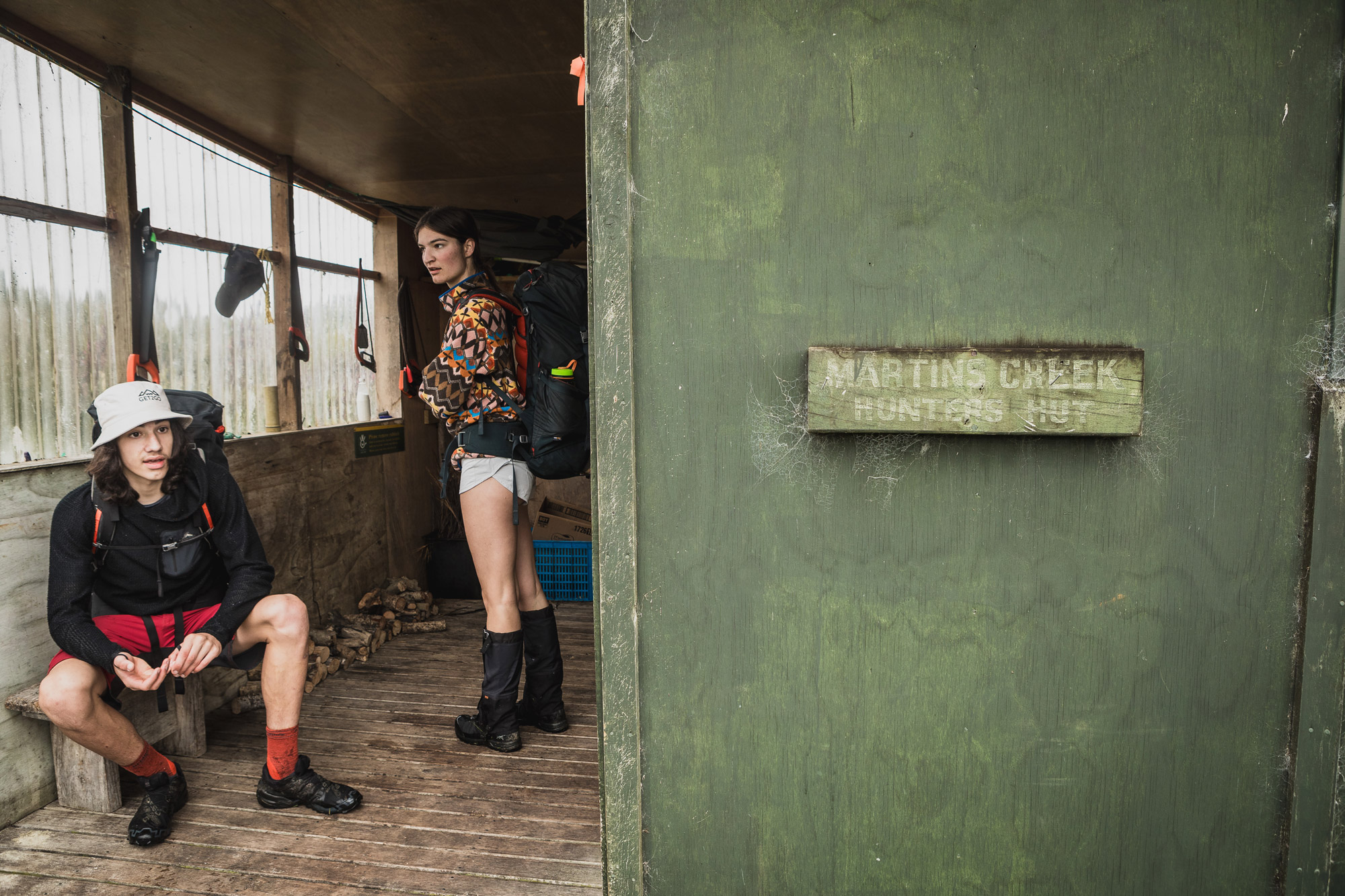
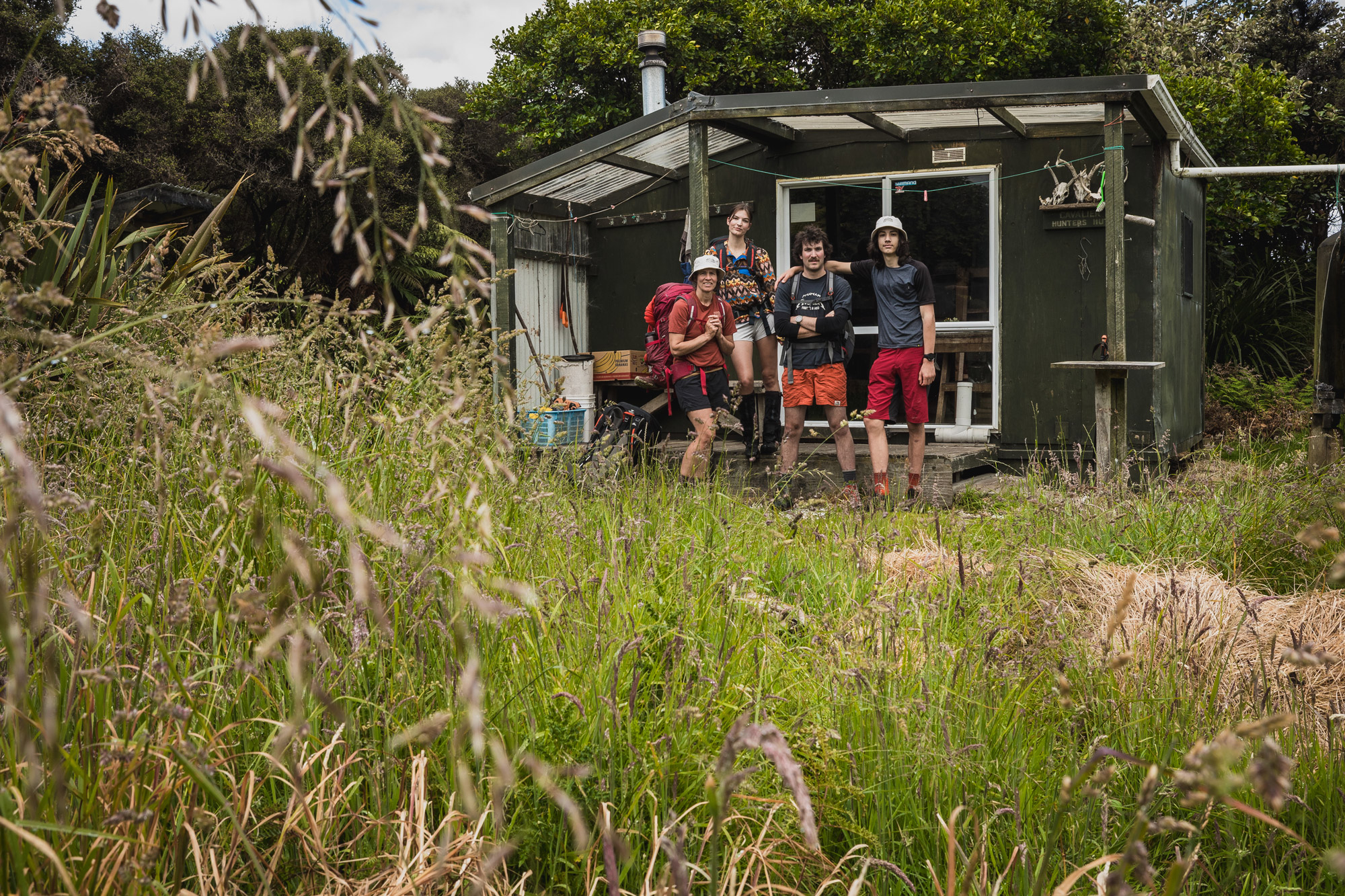
Other than the Abel Tasman, I’ve never started a tramp with a long beach walk, and it was a fun, novel way to warm the family up for the three days ahead. Just like on our Kepler and Routeburn trips, all three kids joined us. Elliot made the trek from Queenstown after what sounded like a rather big night. Eliza flew down en route from her engineering internship. I had quietly hoped to sneak in a bit of hut bagging and kick things off with a side trip inland to Mason Bay Hut. But when another plane landed at the southern end of the beach, effectively an hour closer to Doughboy Hut, we got a little nervous and decided to skip it. We did a detour to visit the two hunters’ huts just back from the beach. Both Martins Creek and Cavalier Huts are available for a small donation to the Stewart Island Deerstalkers Association, and both are cosy, well-appointed shelters.
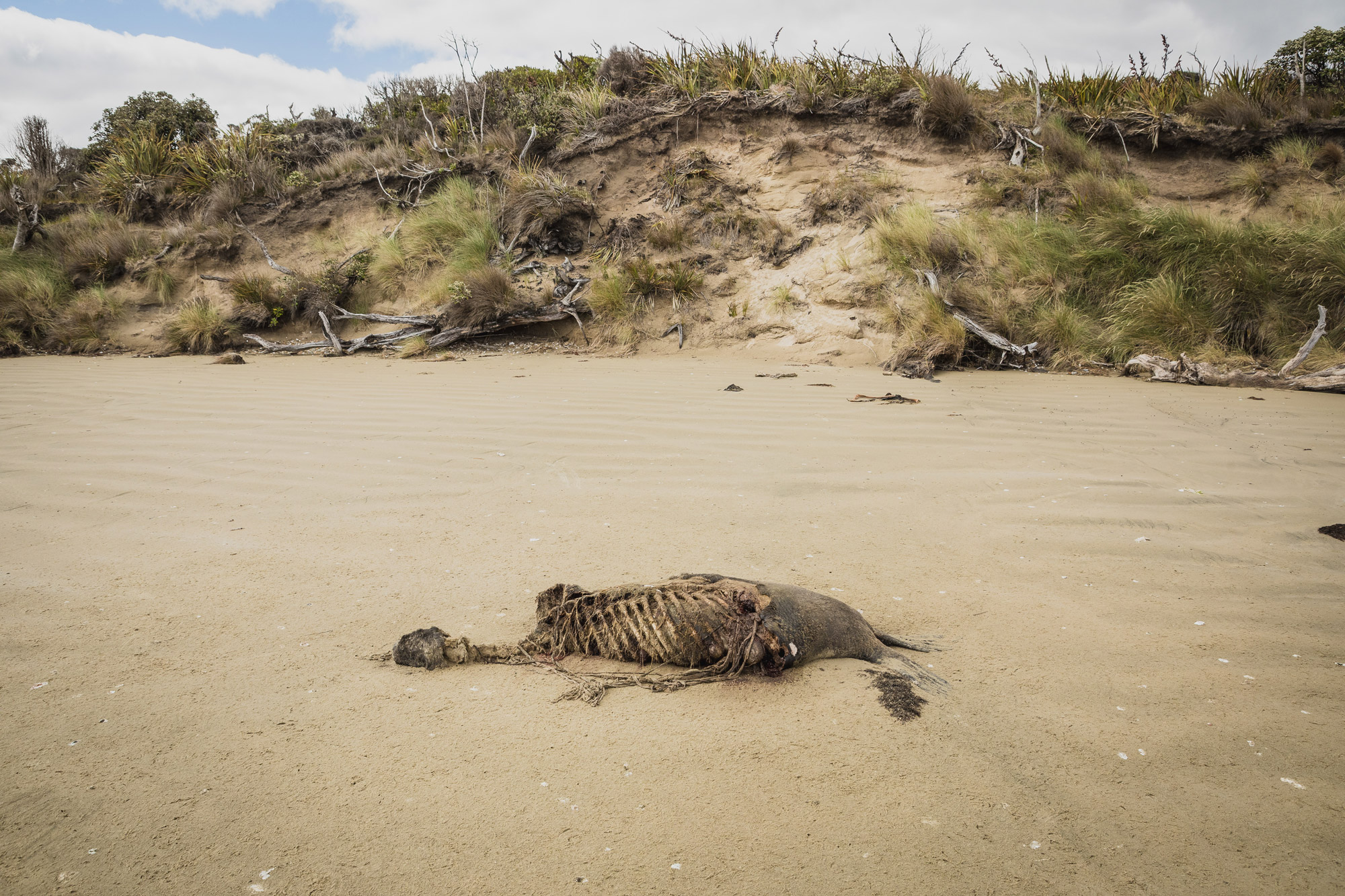
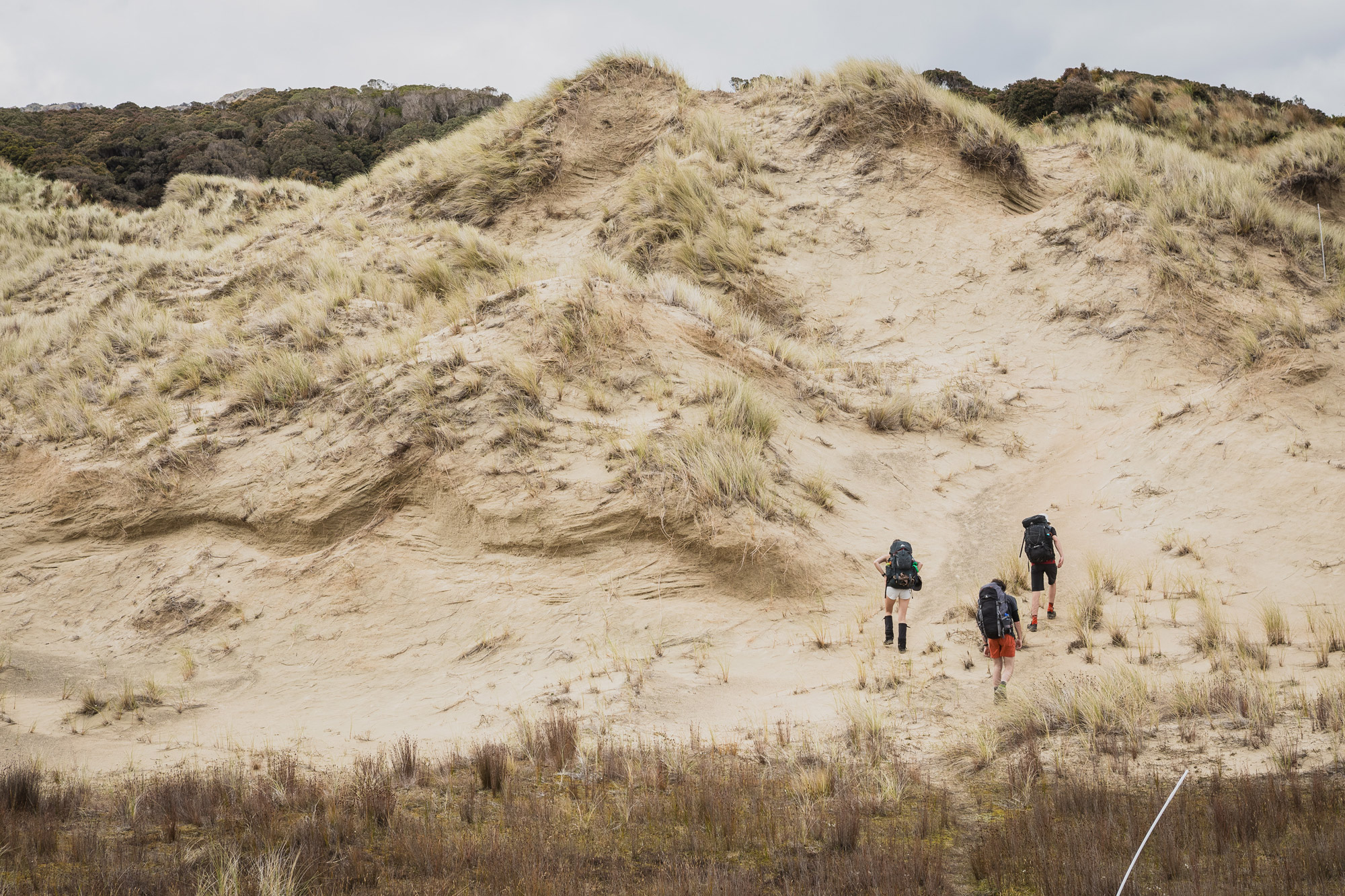
We never saw anyone walking north along the beach toward the marked route to Doughboy Hut, and there were no footprints in the sand as we reached the turn off to Adams Hill. We all breathed a collective sigh of relief. Then our jaws dropped as we entered the spectacular coastal bush. Minutes later I had barely recovered from taking one of my favourite photos of the trip when I heard the unmistakable squawking of a mature kiwi. I had hung back for the shot, and while I was fiddling with my camera the other four had just been told off by a rather large, unapologetic local. Less than fifteen minutes after leaving the beach, we had our first daytime kiwi encounter. What a start.
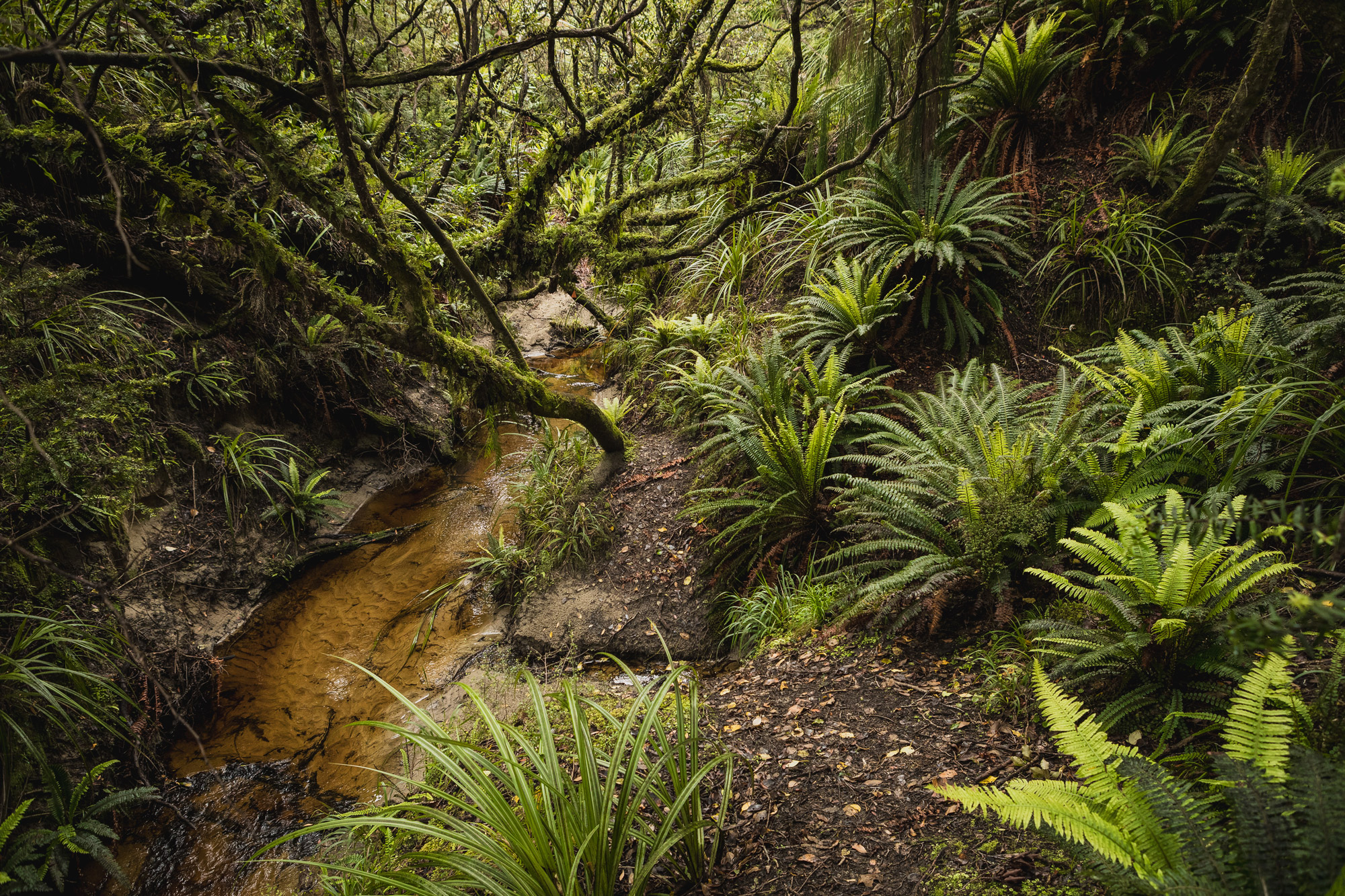
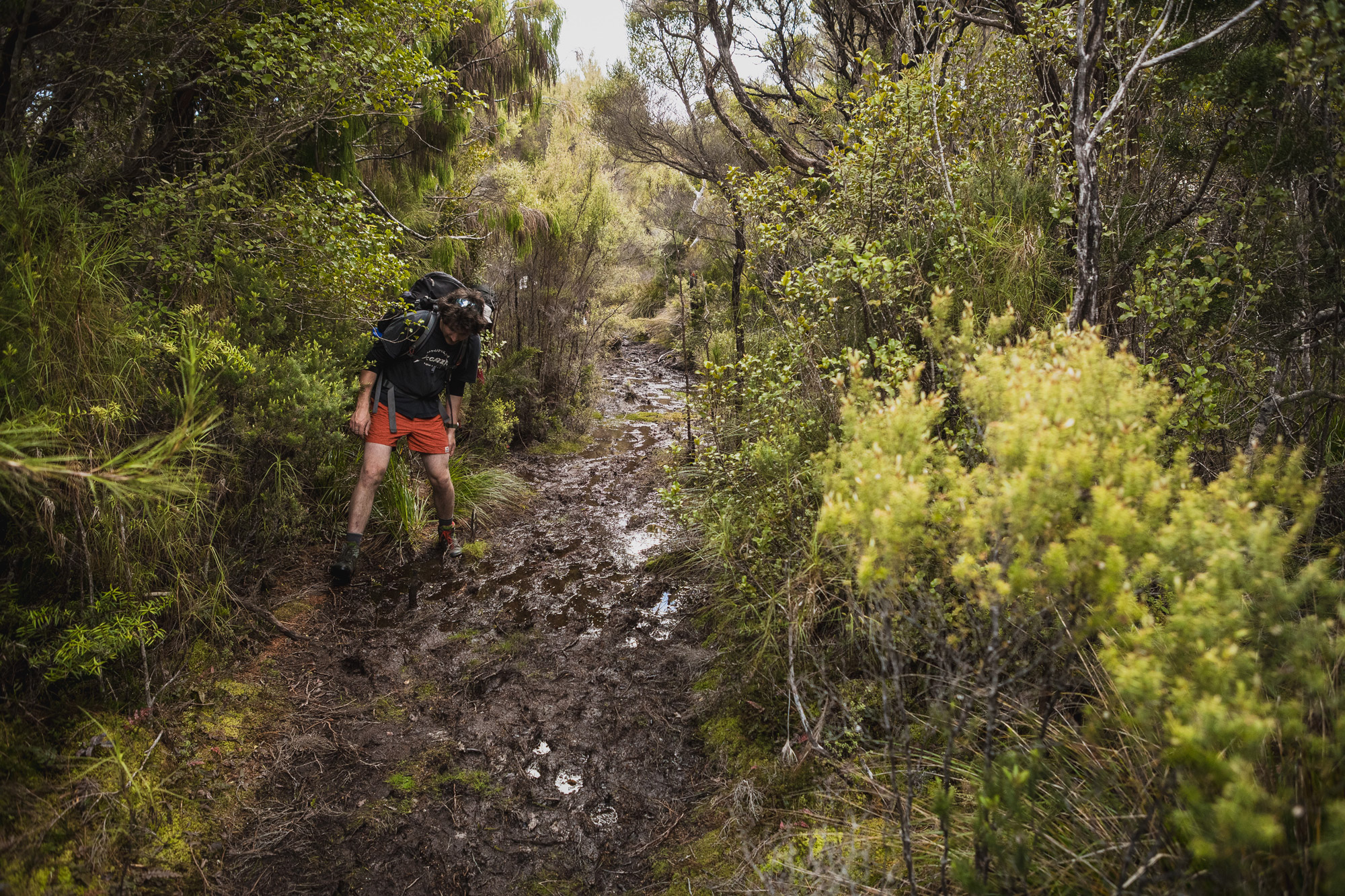
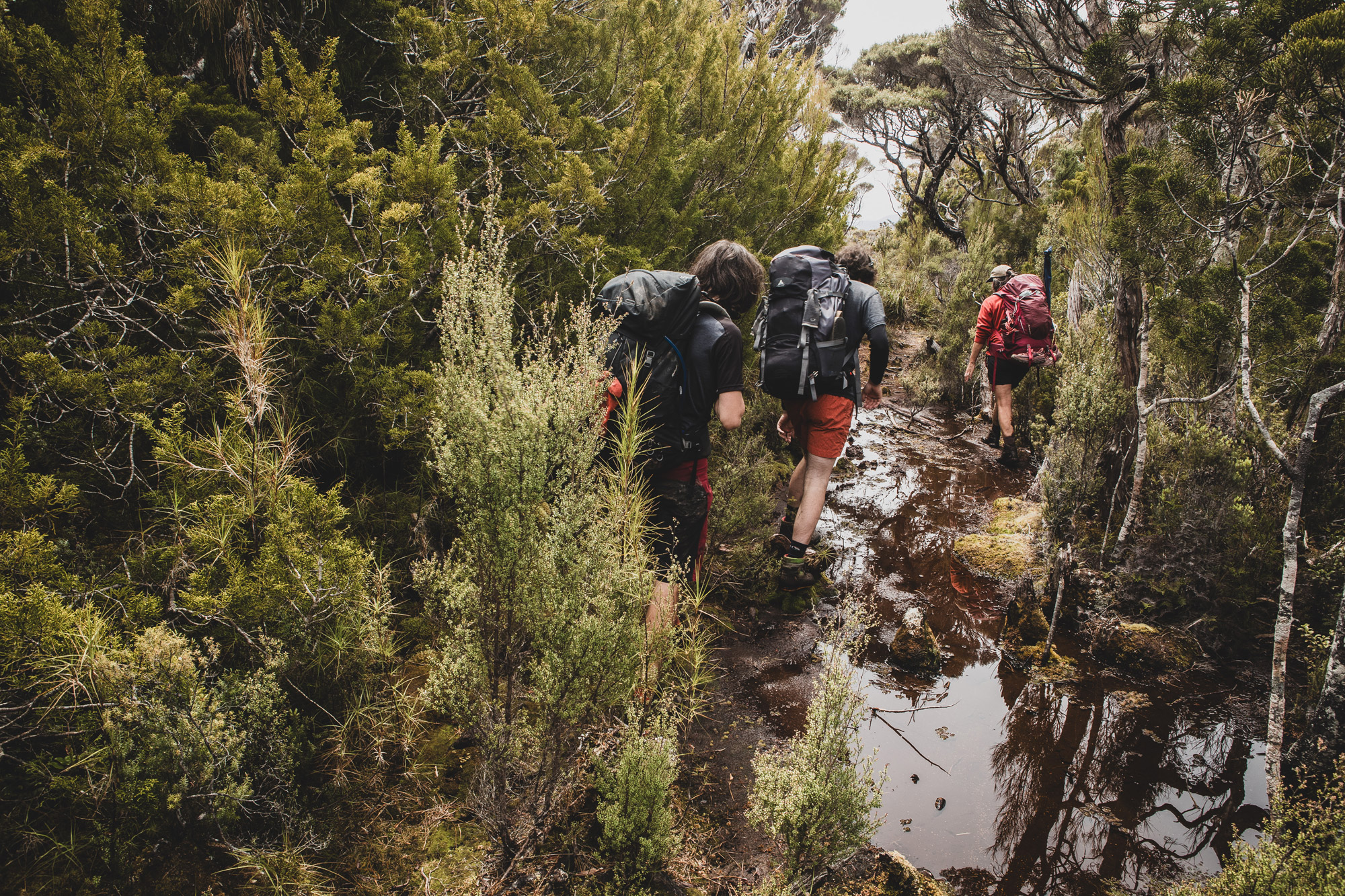
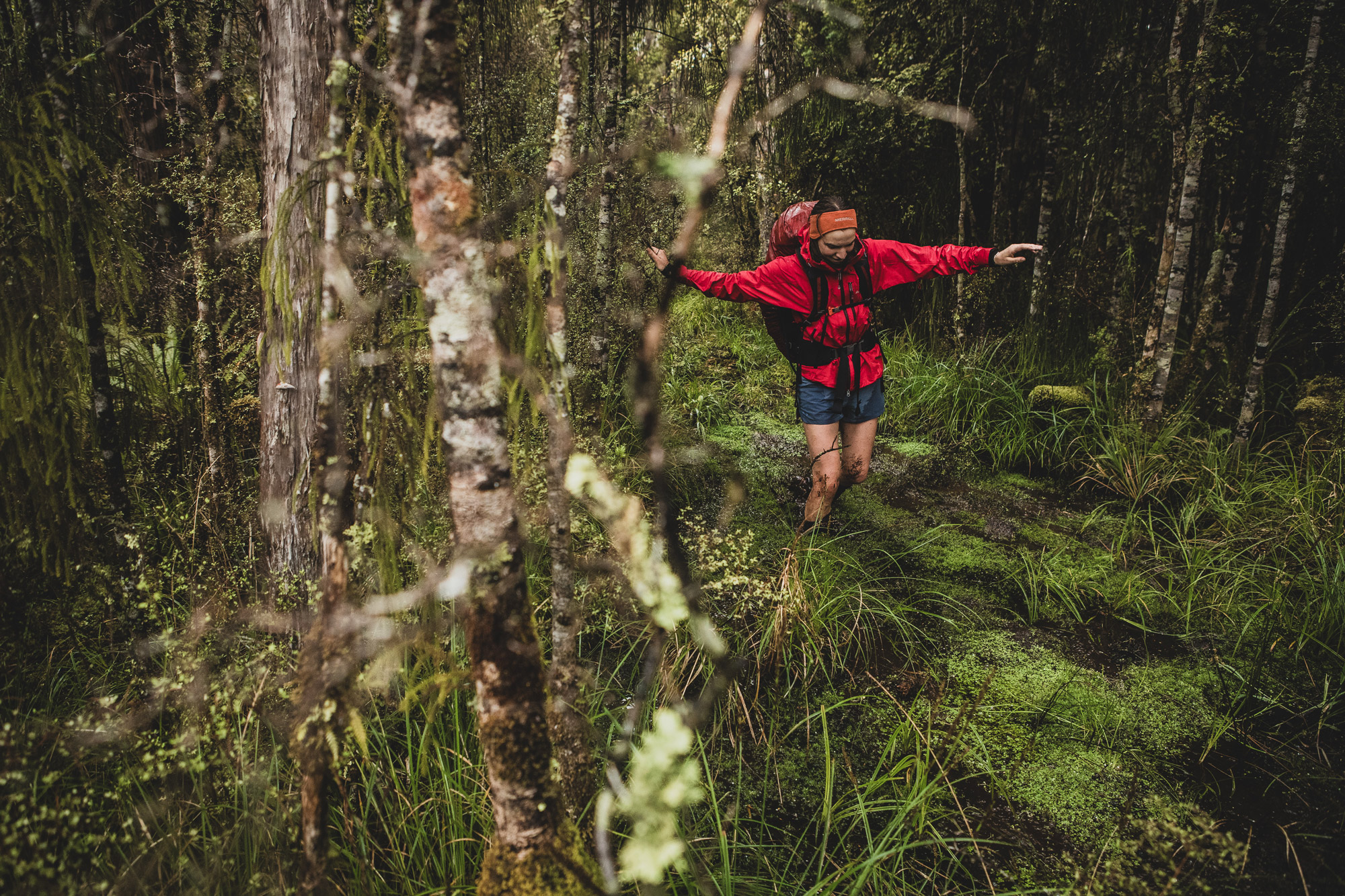
As I said, the contours aren’t brutal. It’s a gradual climb from sea level up to 401 metres, nothing outrageous. An hour into the bush, we still hadn’t struck any of the infamous bogs people had warned us about – we figured they’d dried up. Then it changed. At first it felt like a bad Gable End Ridge. Then it got deeper, wider, and wetter. It was unrelenting. There were short respites, but they never lasted. The kids bounced around trying to avoid the worst of it. I figured with heavy boots and gaiters I would just charge straight through the middle. Sometimes that worked. Other times you were effectively vacuum sealed to the earth.
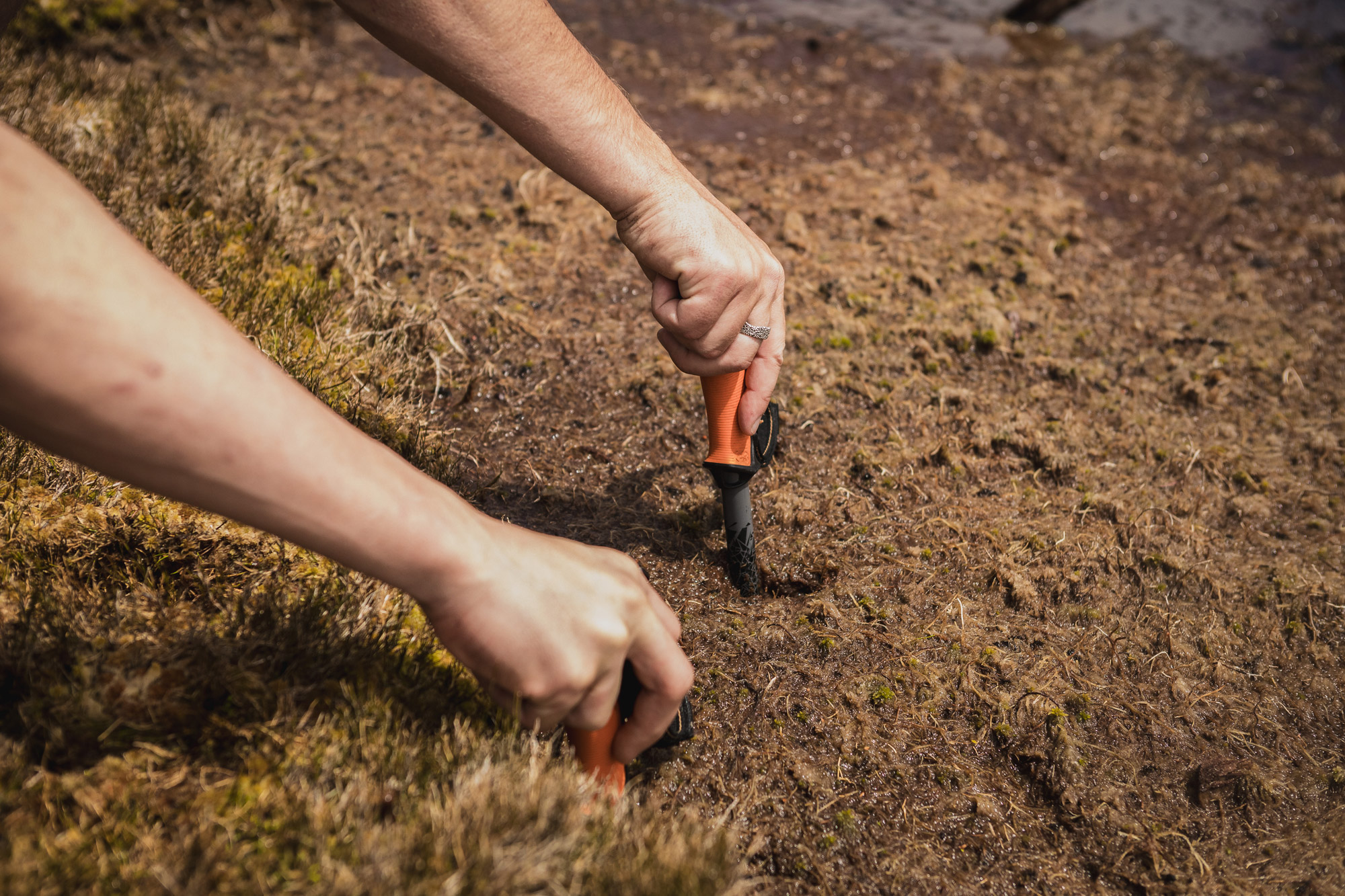
All of this, though, was punctuated by more kiwi sightings. Emma was up front and just before the final steep push up Adams Hill she spotted a kiwi standing squarely on the track. As she approached, it bolted into the bush on the right. While she was telling the kids about it, we heard a rustle to the left, and another kiwi appeared. This one was even bigger than the first. After they both disappeared, we started moving again. Two minutes later, the original kiwi decided its hiding spot was no longer sufficient and made another dash across the track, giving Elliot and me our own front row encounter. Three hours in. Three daytime kiwi. Any lingering thoughts about mud evaporated instantly.
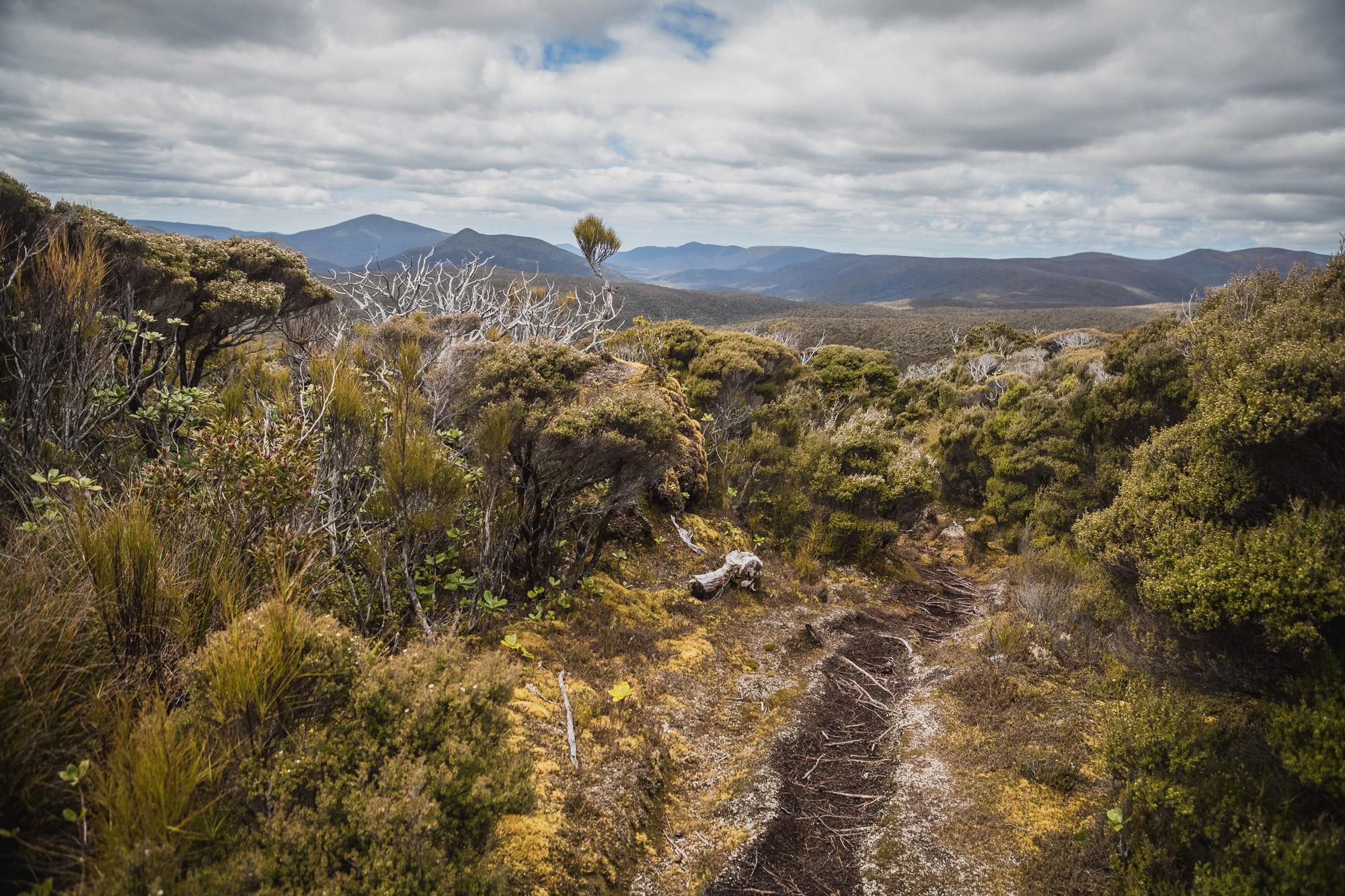
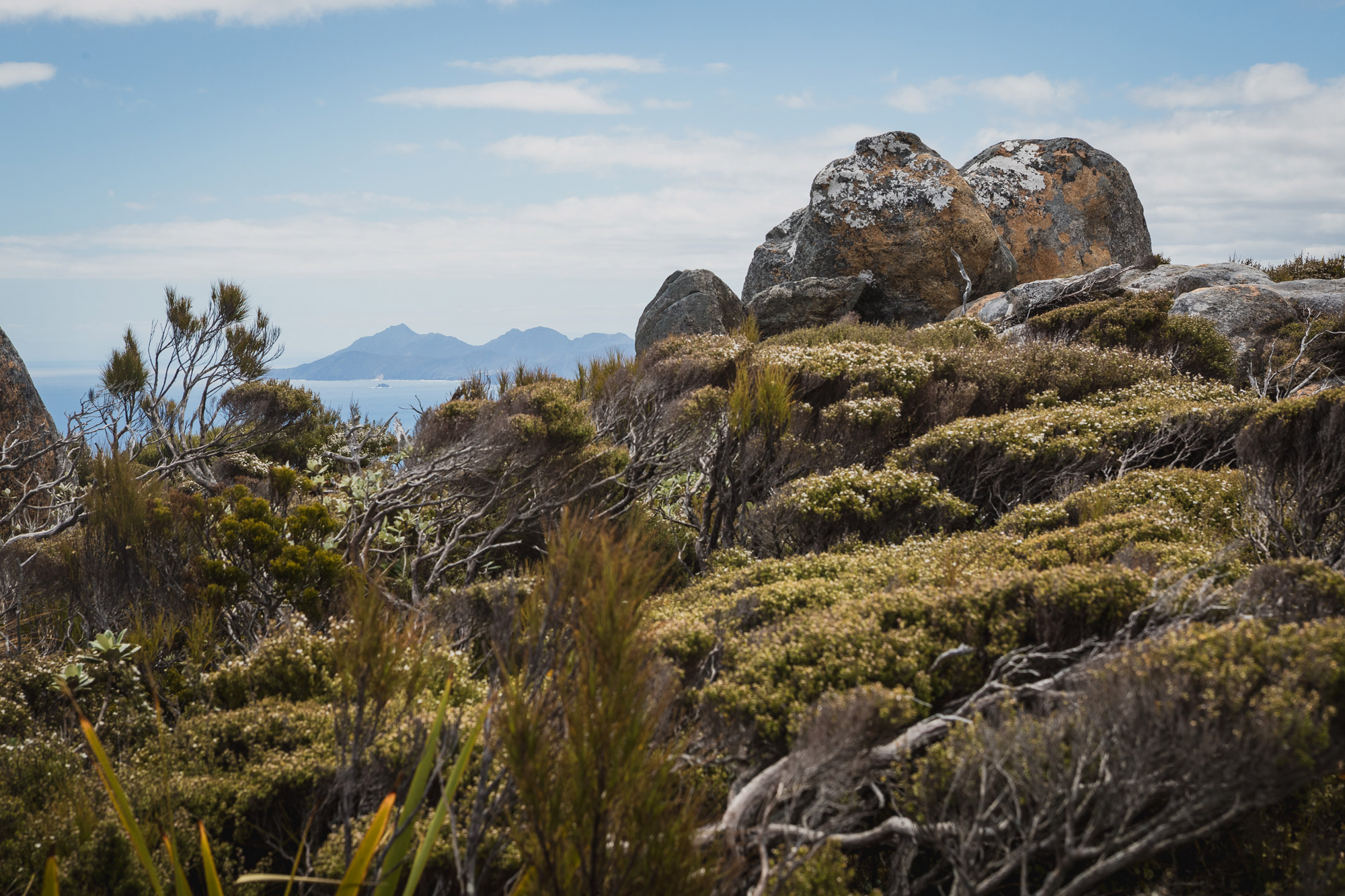
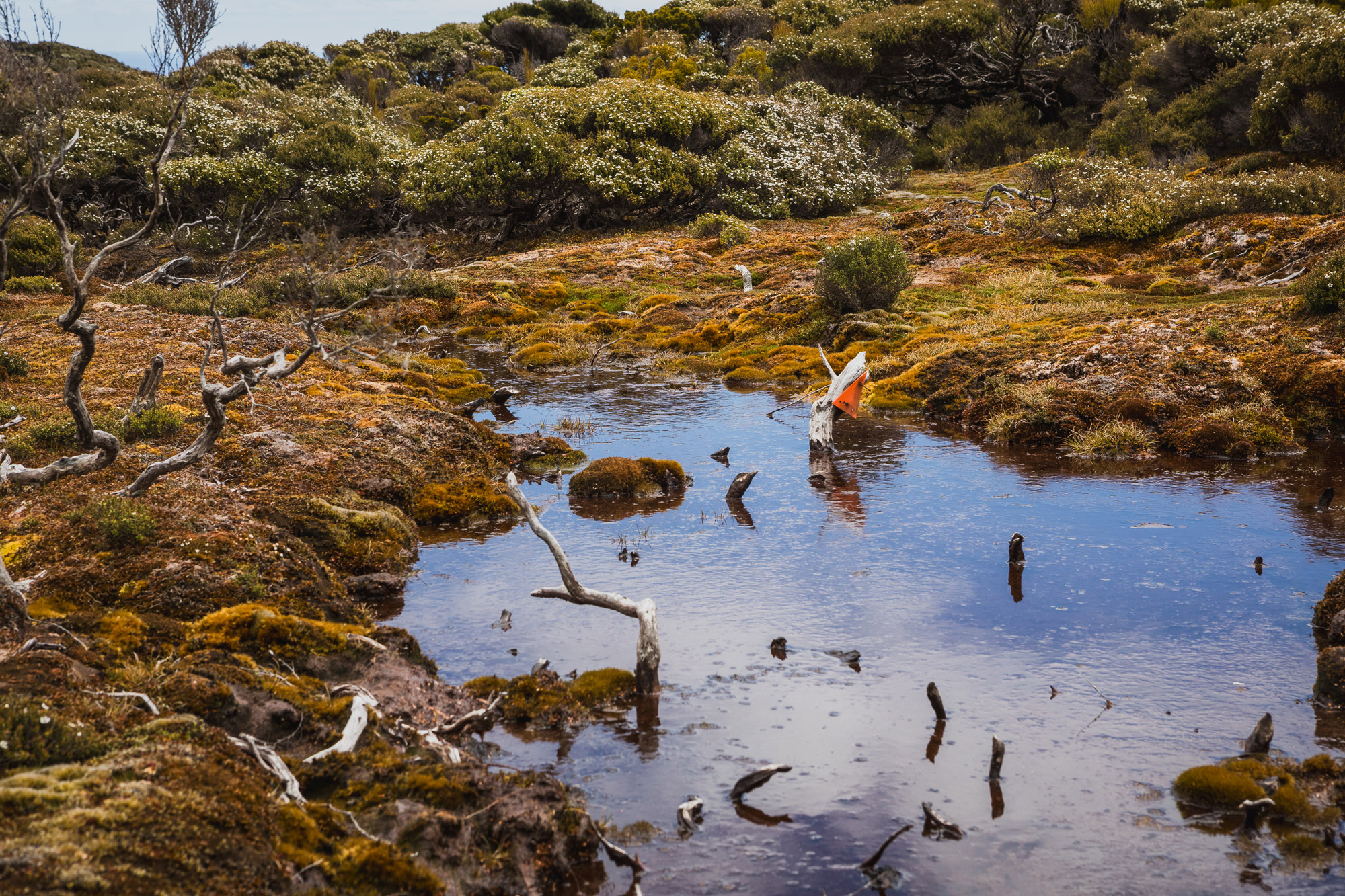
The top of Adams Hill opened up huge views back over Mason’s Bay and across to the southern end of Doughboy Bay. We stopped for photos and snacks, convinced the hard work was behind us. The map suggested an easy cruise across the tops before dropping down to our hut for the night. What it didn’t show was the maze of bogs waiting for us. Waist-deep mini tarns of mud blocked any obvious line. Route finding became a team sport. We split up, probed different options, shouted directions, and committed to sketchy leaps. Some landed clean. Some did not. We weren’t covering much distance, but the mental grind of choosing every single step was starting to bite.
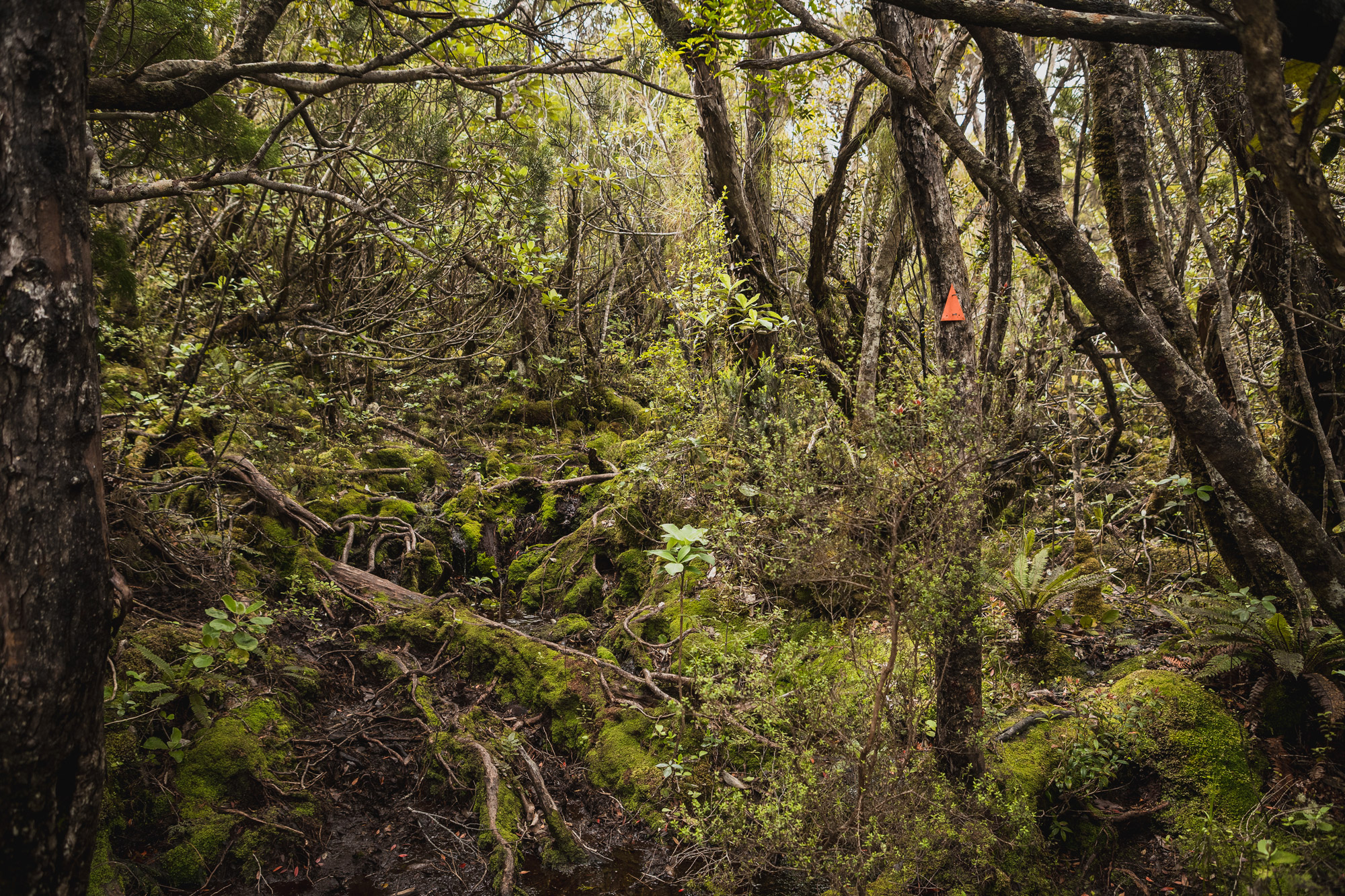
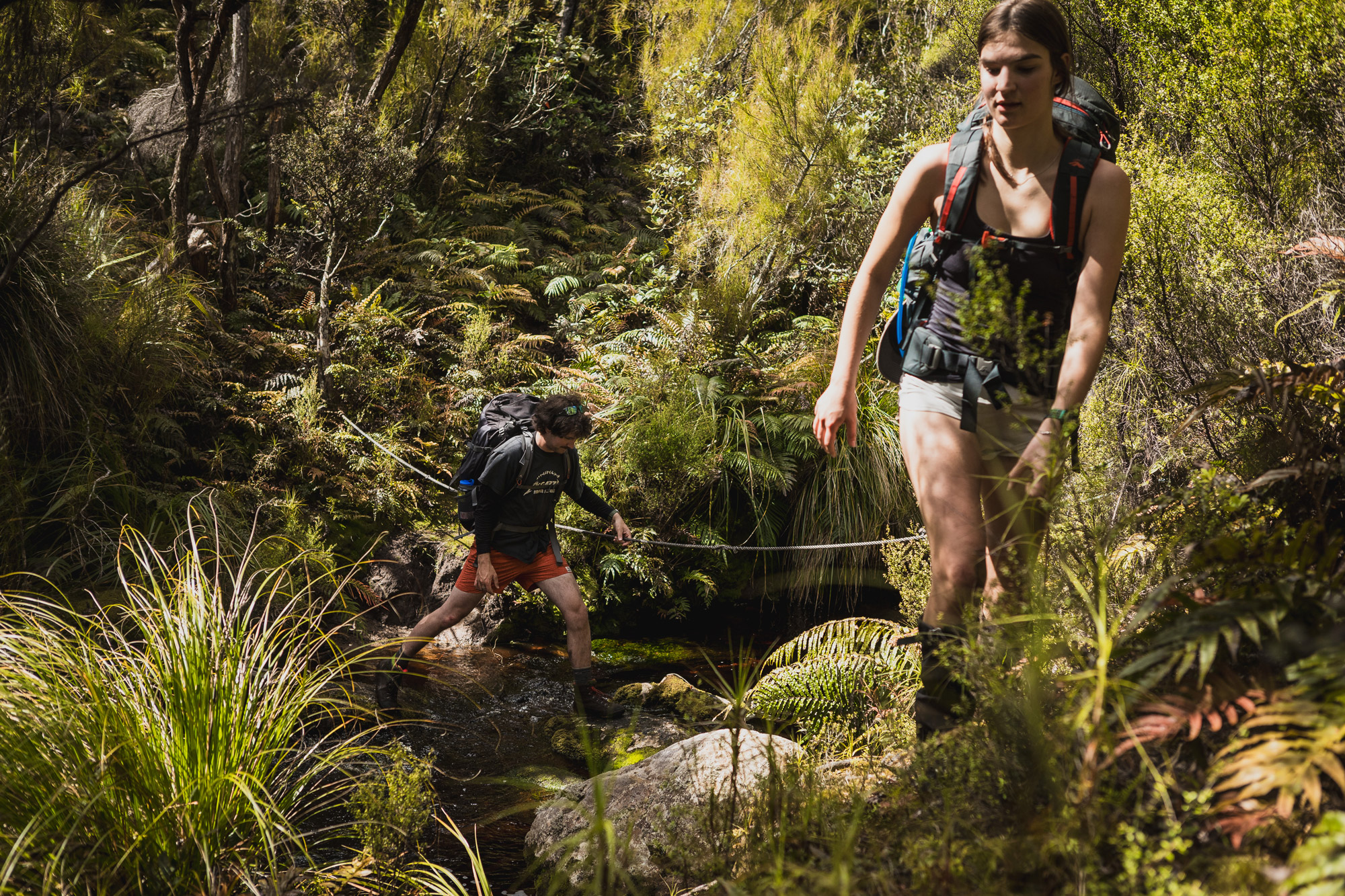
The descent off the tops did not offer relief. The bogs clung on, now mixed with low manuka and leatherwood branches that slapped and stabbed at passing legs and faces. Morale dipped. Then, at the 200 metre contour line, it just stopped. The track firmed up into a proper rugged tramping trail with no mud in sight. Spirits rebounded instantly. Not long after, we stepped out onto one of the most beautiful beaches we have ever seen. The hut was empty. For a moment, it felt like we had the whole place to ourselves.
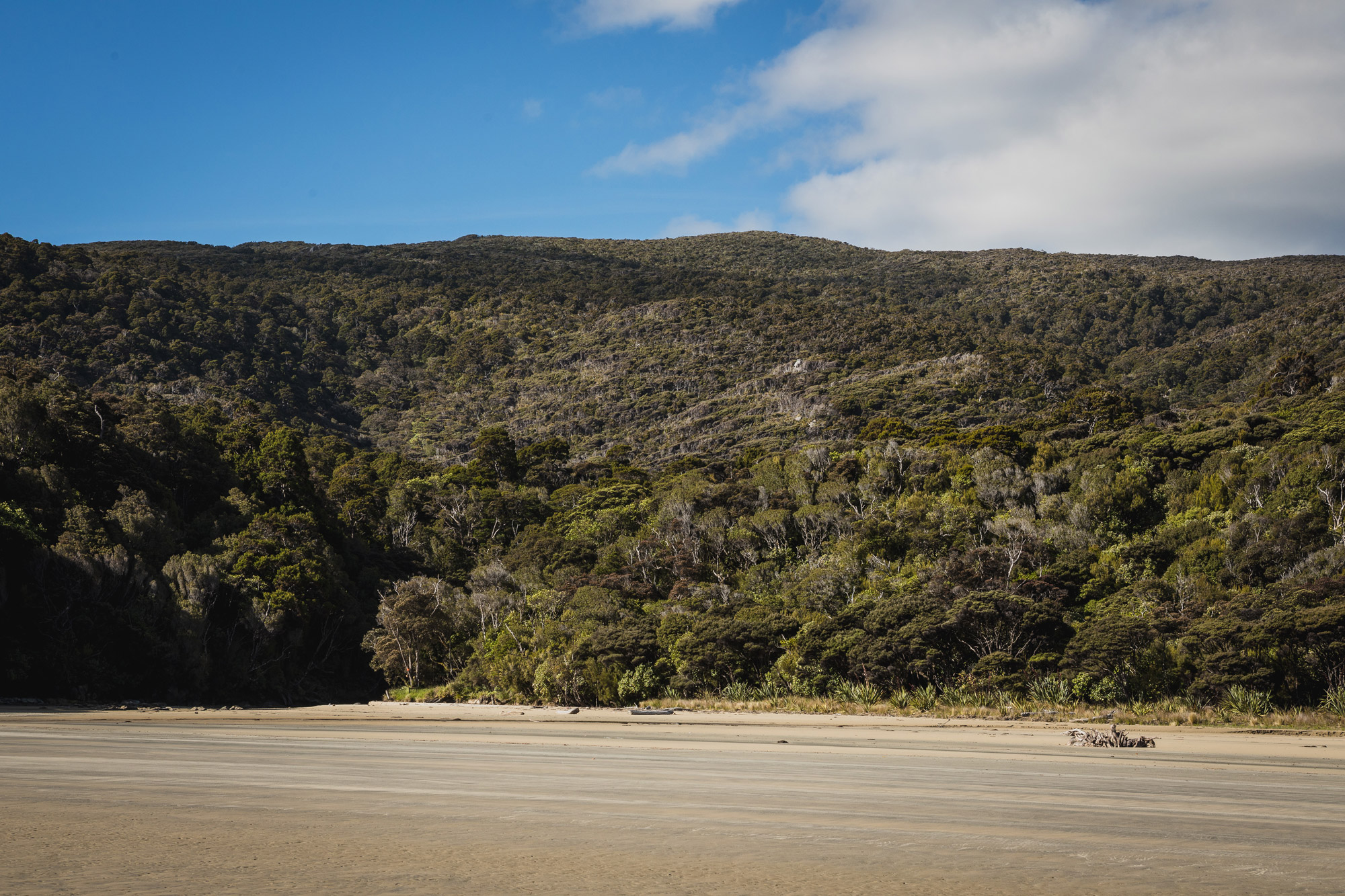
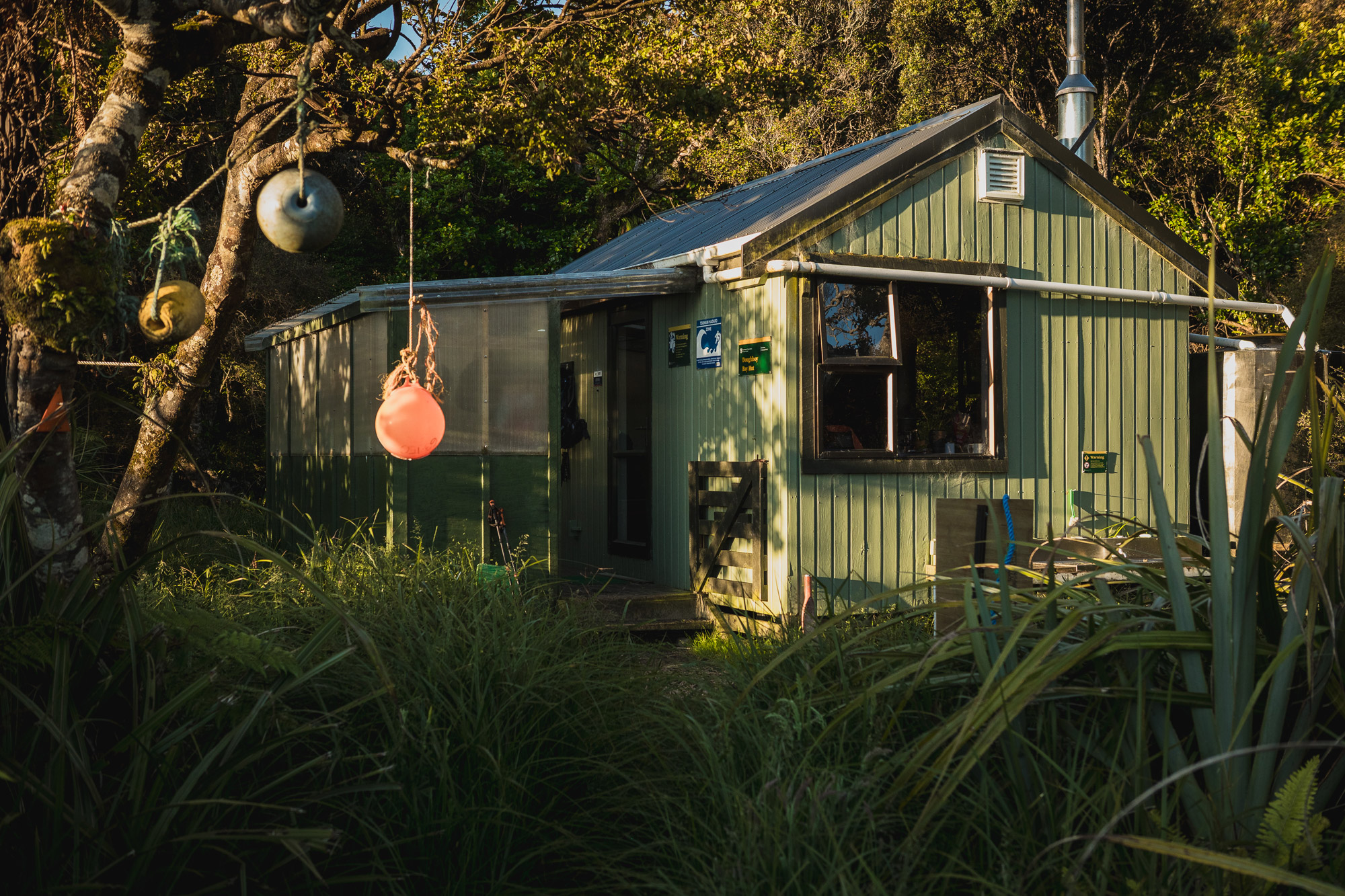
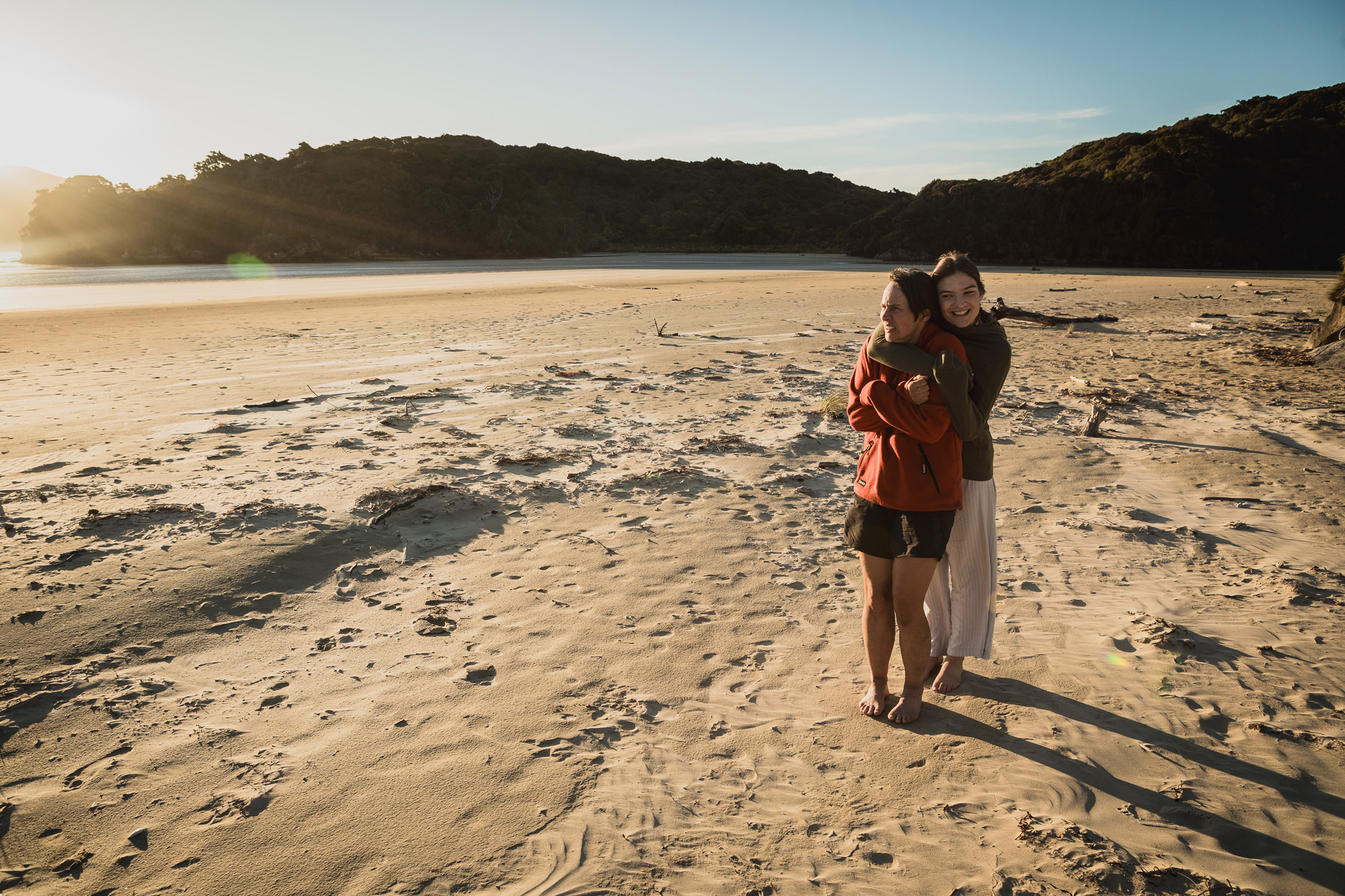
We wasted no time assembling the fishing rod Emma had hauled over the hill. Alongside all the track advice we had been given, we had also heard plenty about knee-deep paua and blue cod waiting in Doughboy Bay. Fired up by that promise, we scrambled over the rocks and cast out. Nothing. The rocks were thick with seaweed. A snorkel mission confirmed there were no knee-deep paua. There were no three-metre deep paua either. Elliot hooked seaweed with impressive consistency. A few nibbles, nothing more. The ocean 1, us 0.
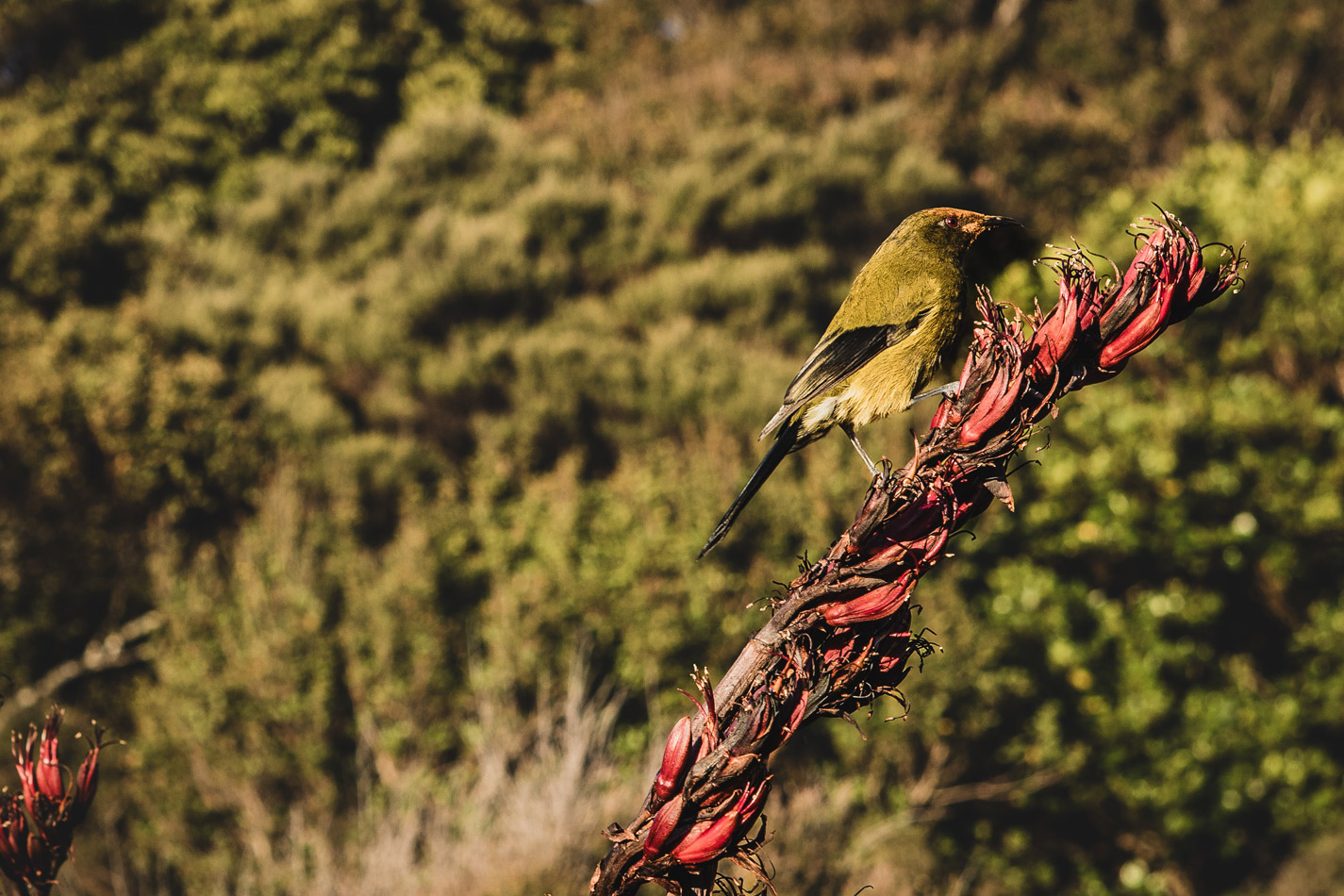
Later that evening a French tramper arrived, working her way around New Zealand. She had come from Rakehua and offered a gentle warning. The final stretch from Fred’s Camp to Rakehua was not the advertised five hours. She had taken eight. She suspected we would too.
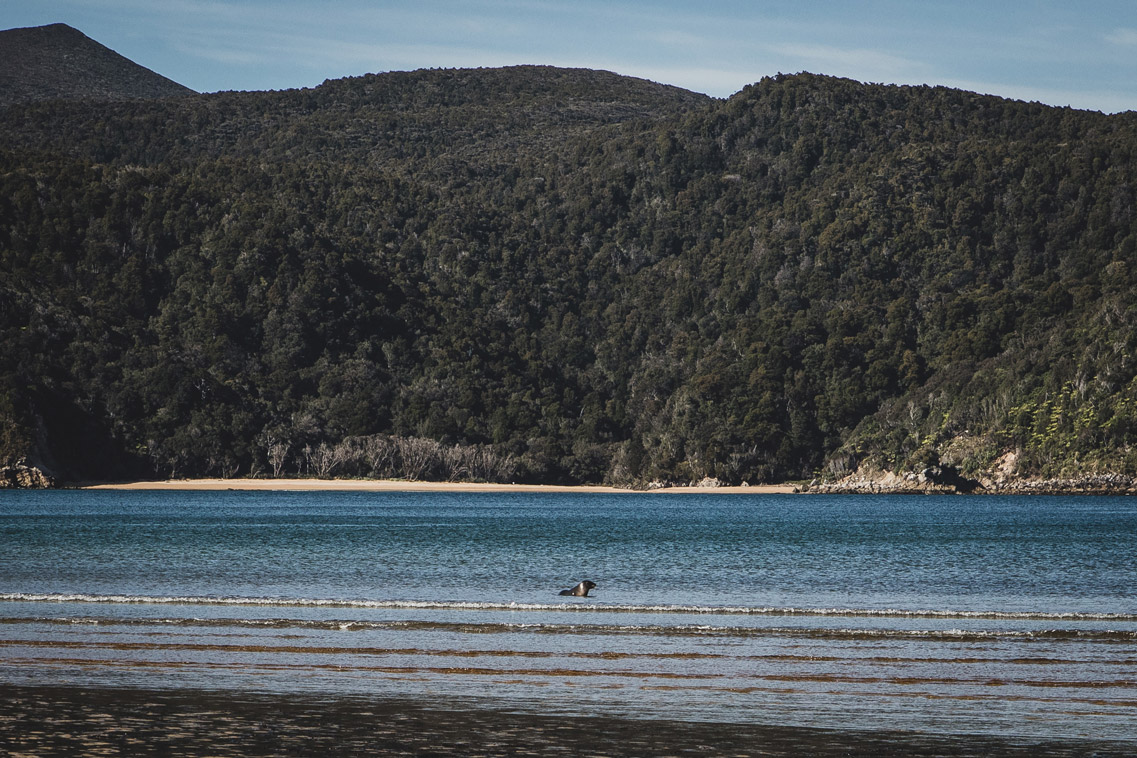
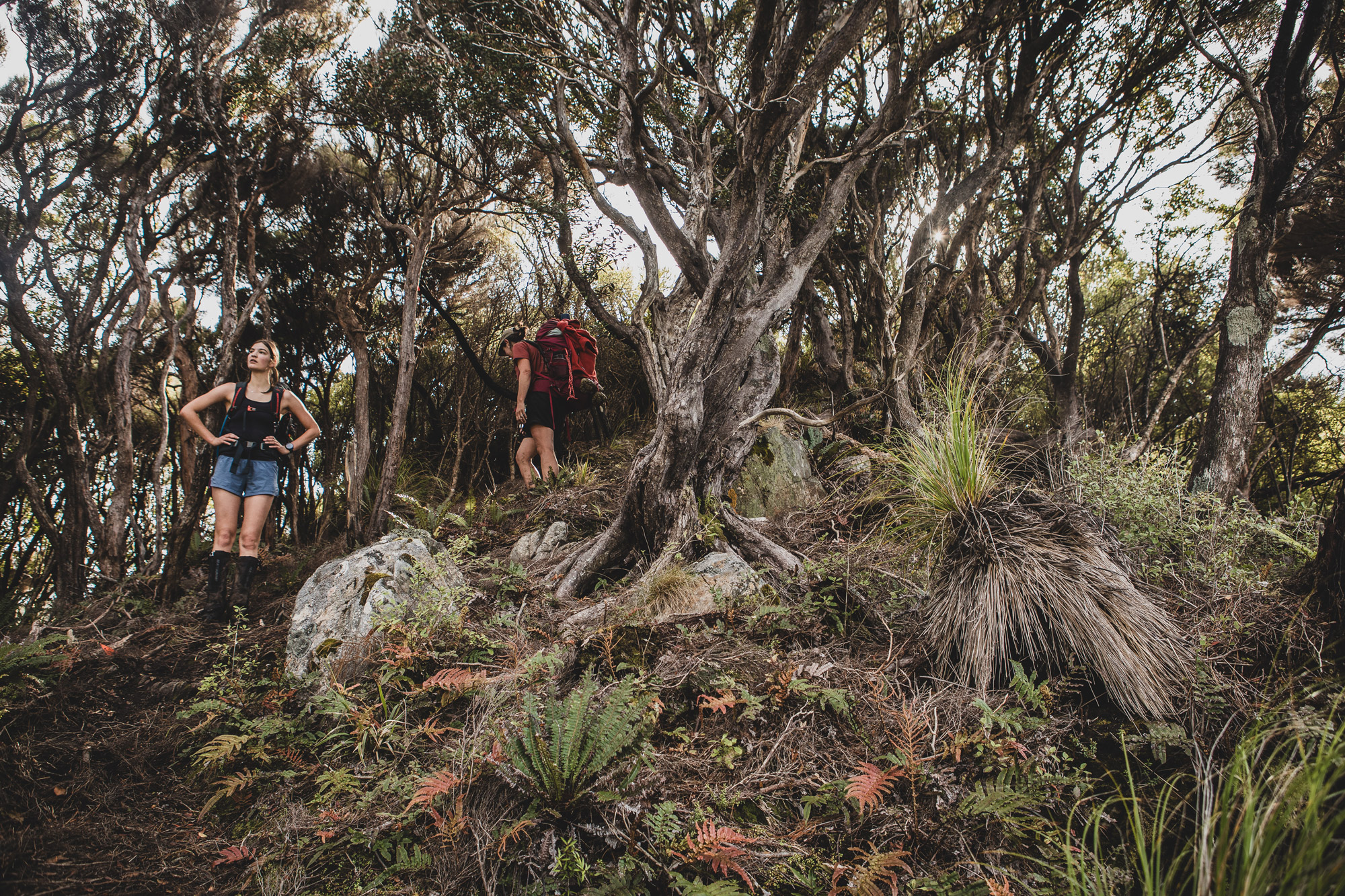
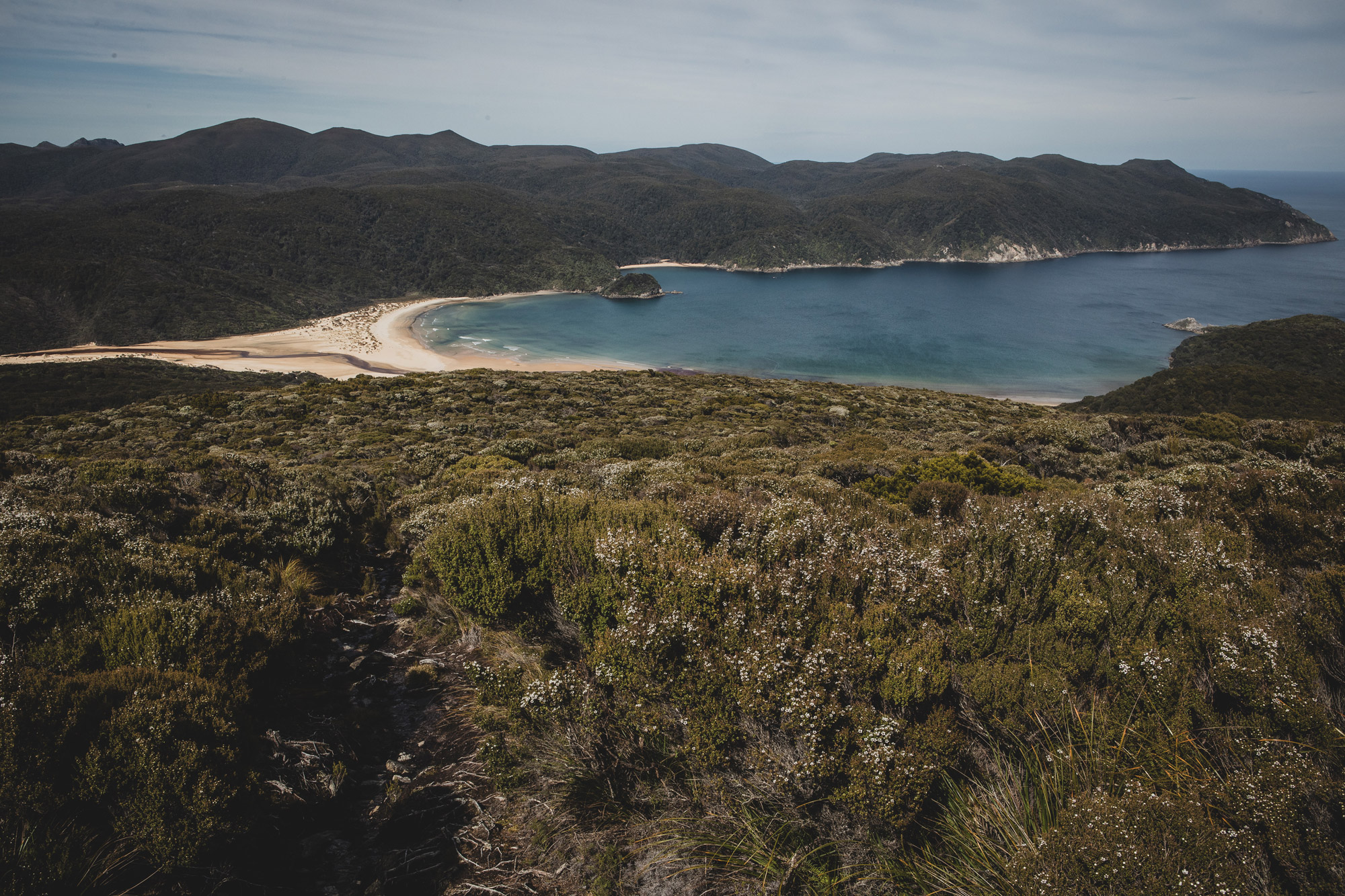
Day two began with a sea lion escorting us off the beach, as if to remind us about the abrupt 400 metre climb ahead. Tararua legs kicked in and we made good time uphill. Armed with fresh memories of Adams Hill, we braced for more bog warfare on Doughboy Hill. Strangely, it was far kinder. The tops passed quickly and we dropped into beautiful bush travel.
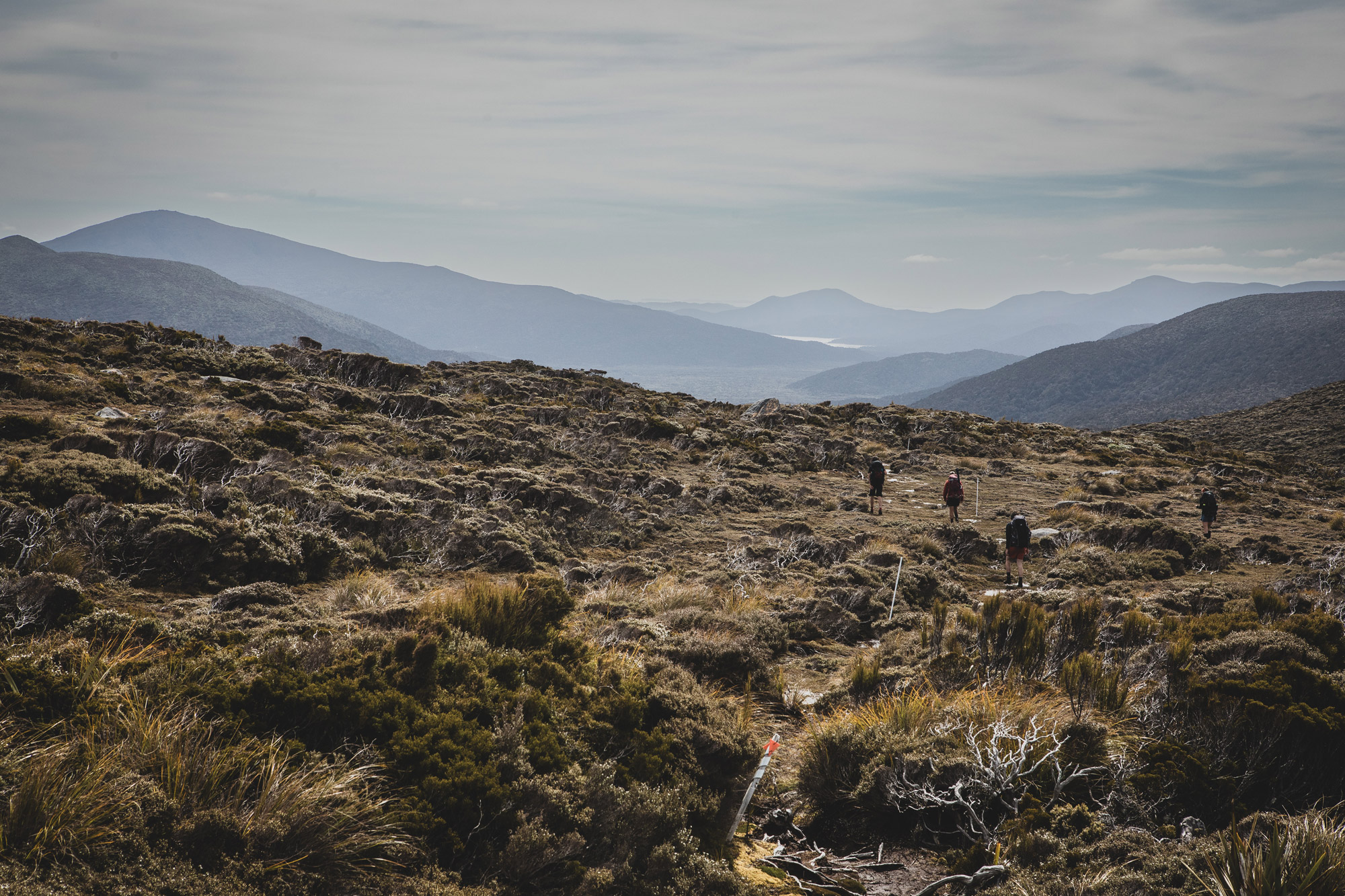
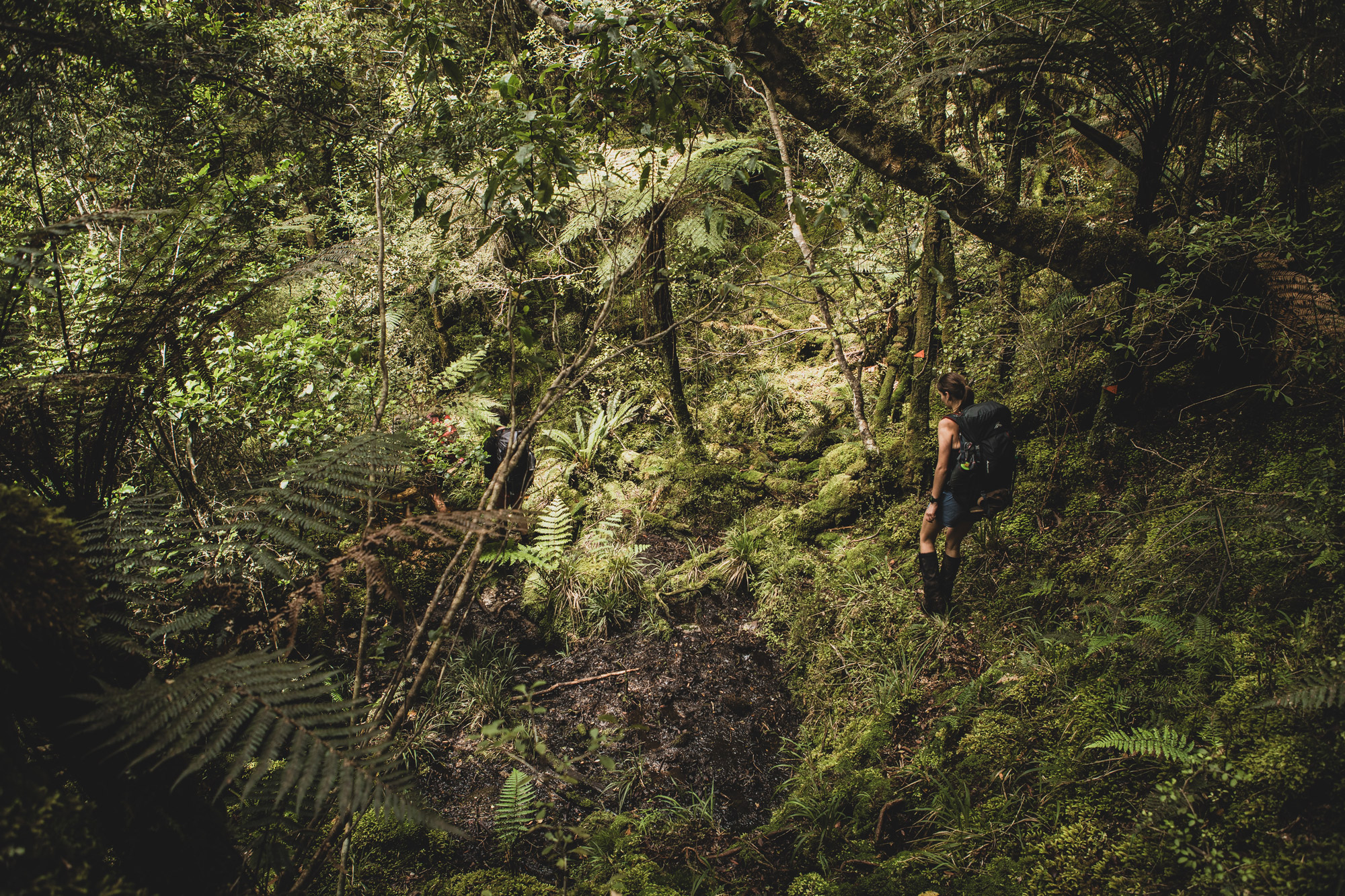
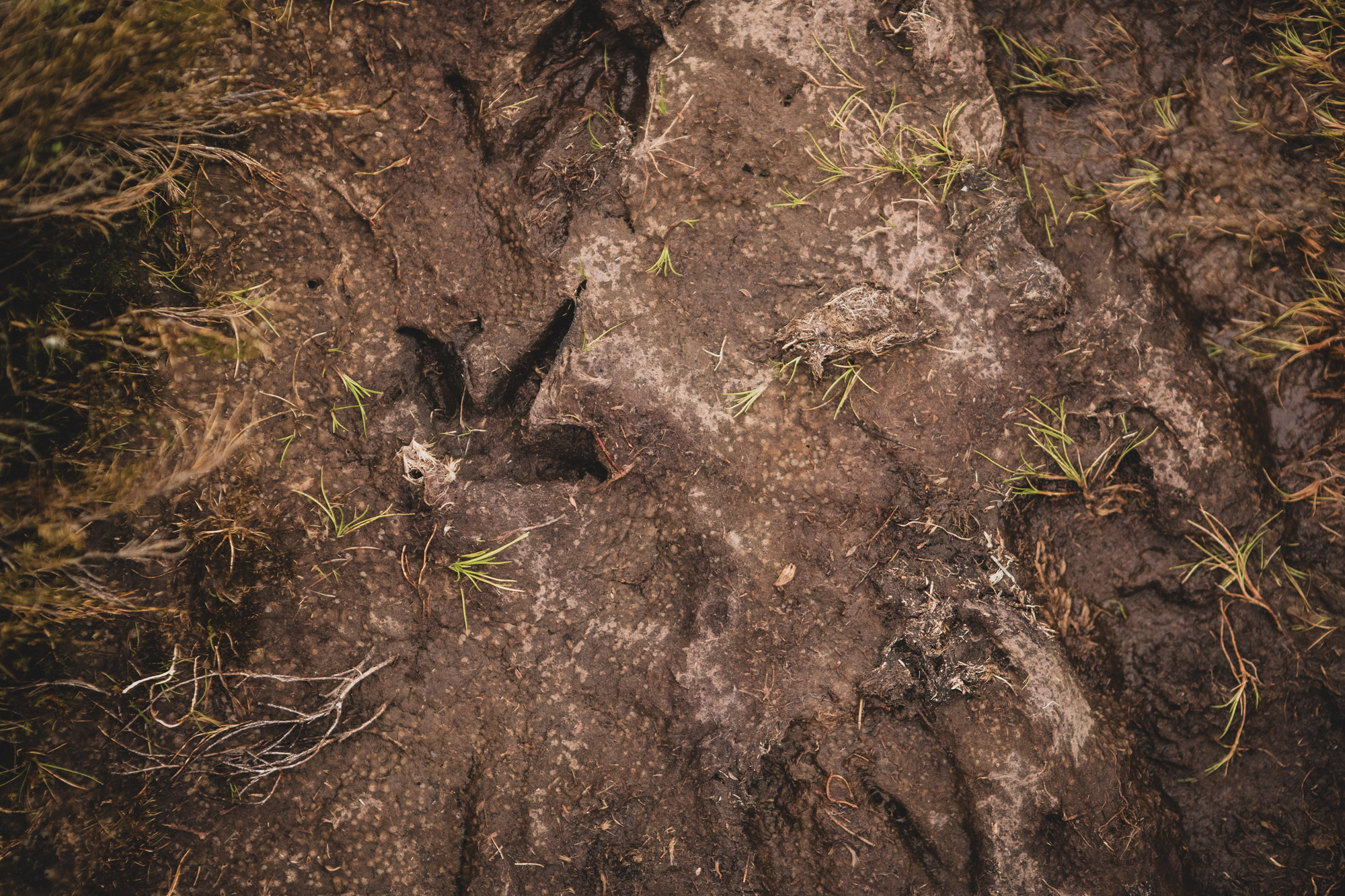
We had high hopes of matching our kiwi sightings from day one. If success were measured in footprints, we dominated. In actual birds, we saw one, bringing the total to four. The long spur toward Rakehua Hut was classic backcountry travel. Minimal bogs, lush native bush, and easy rhythm. The only thing missing was birdsong. The island may be free of mustelids, but rats, possums, and feral cats still leave their mark.
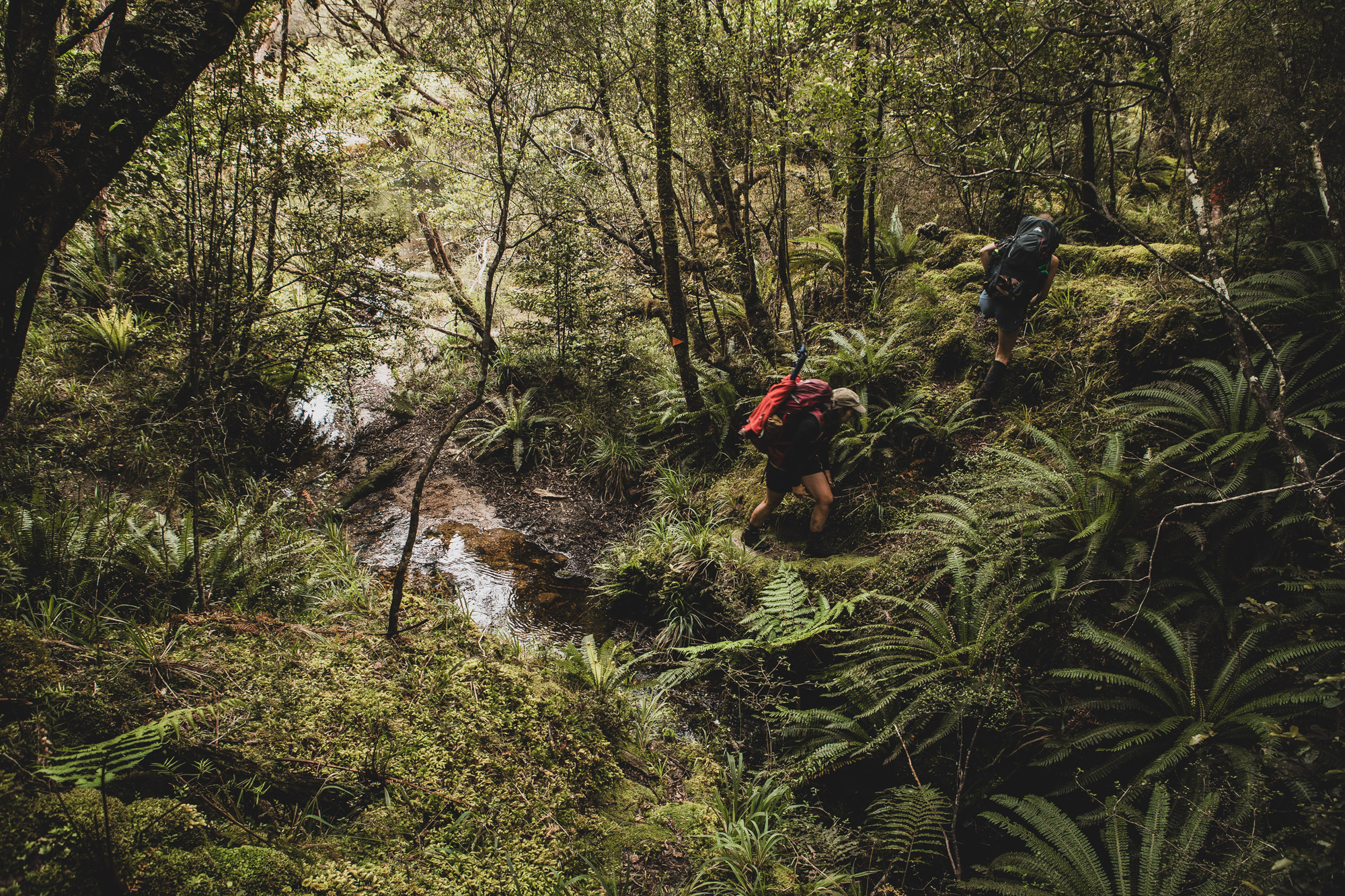
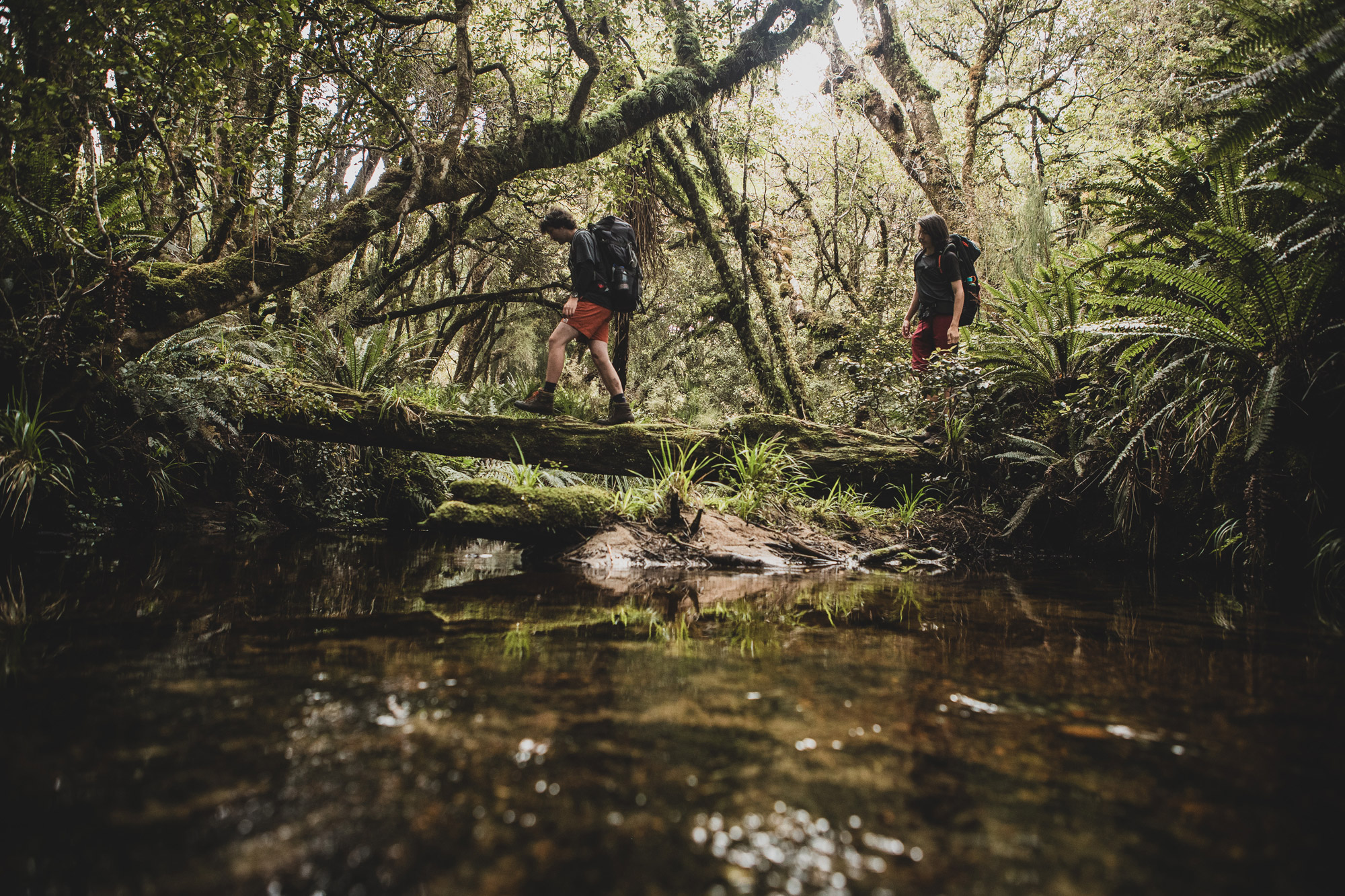
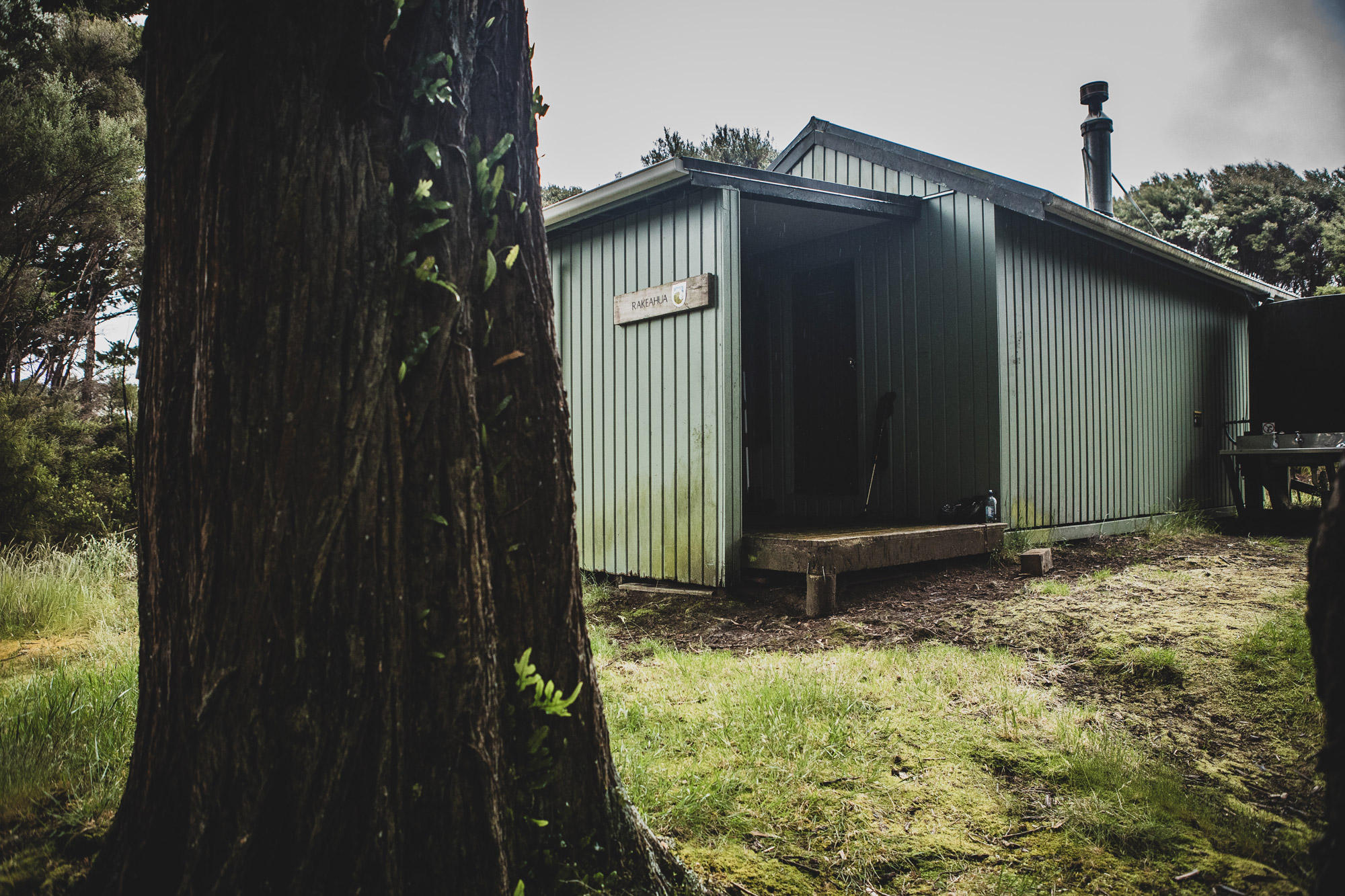
The final four kilometres along the river looked straightforward on the map. Naturally, the bogs returned. So did the rain. Thankfully, the river flats were more open, making it easier to weave around the worst of the mud. Compared to the tops, it felt manageable. Eventually, we rolled up to one of the cutest little huts you could imagine, perched on a dry mound barely five metres above the surrounding swamp. Rakehua sleeps six. As we pushed the door open, we quietly hoped for empty bunks.
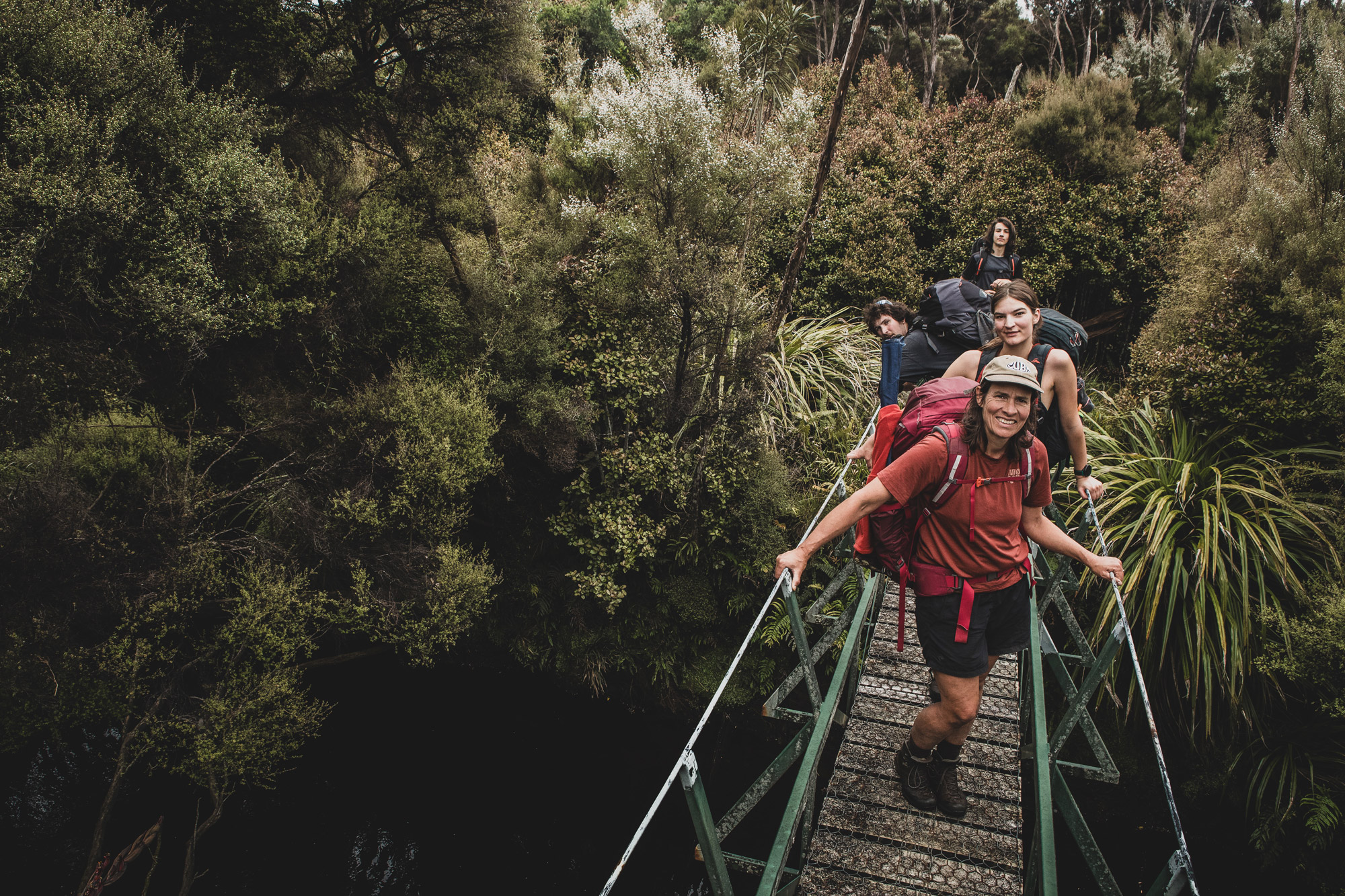
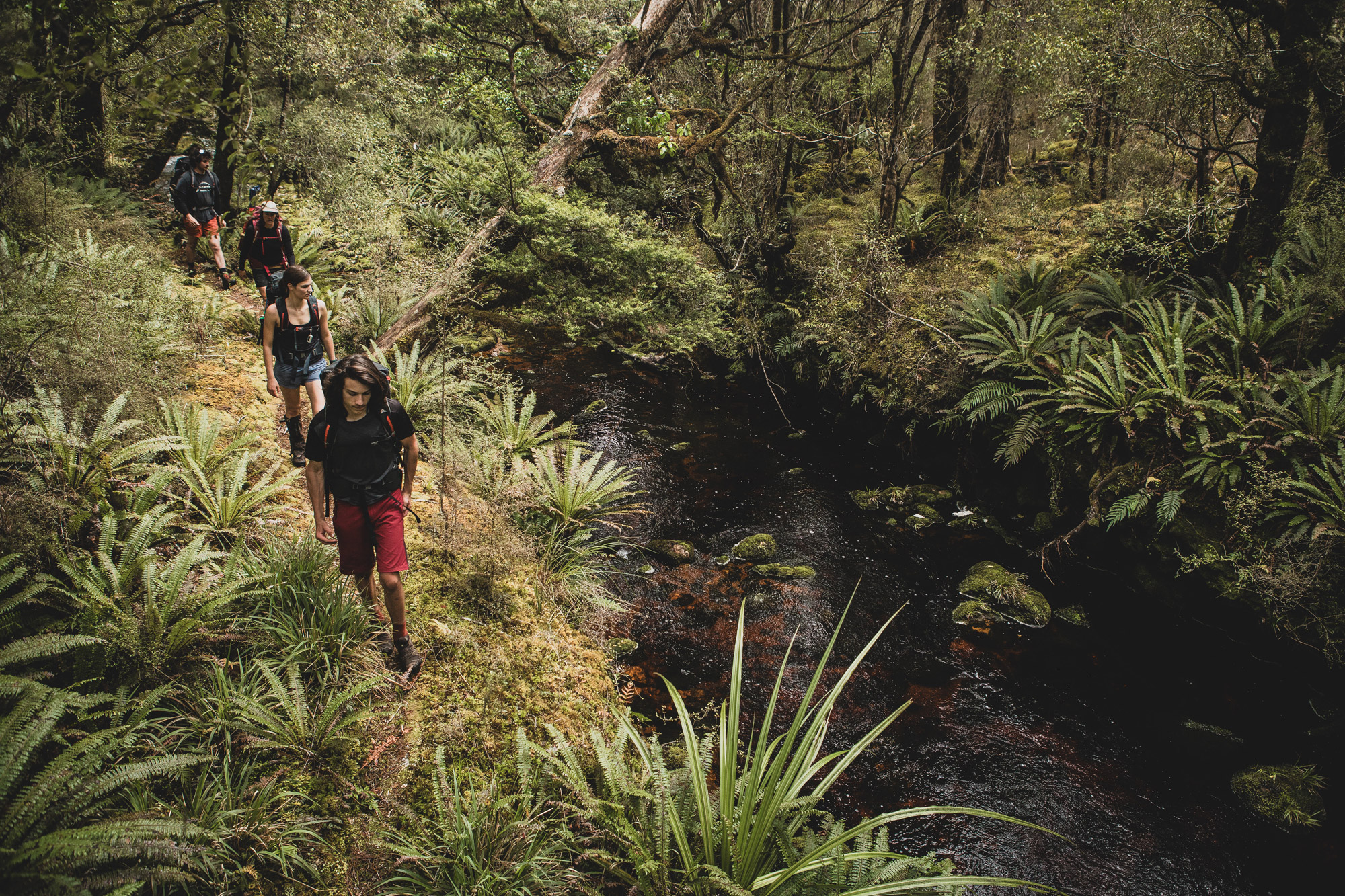
The pair of boots outside the door definitely had us worried. But when the door opened to reveal a young DOC ranger calmly cooking dinner, we breathed a collective sigh of relief. Five free bunks and five of us. We had just scraped in. As cute as the hut was, there was no spare floor space for mattresses, and with the rain steadily building, pitching the tent was not high on my list.
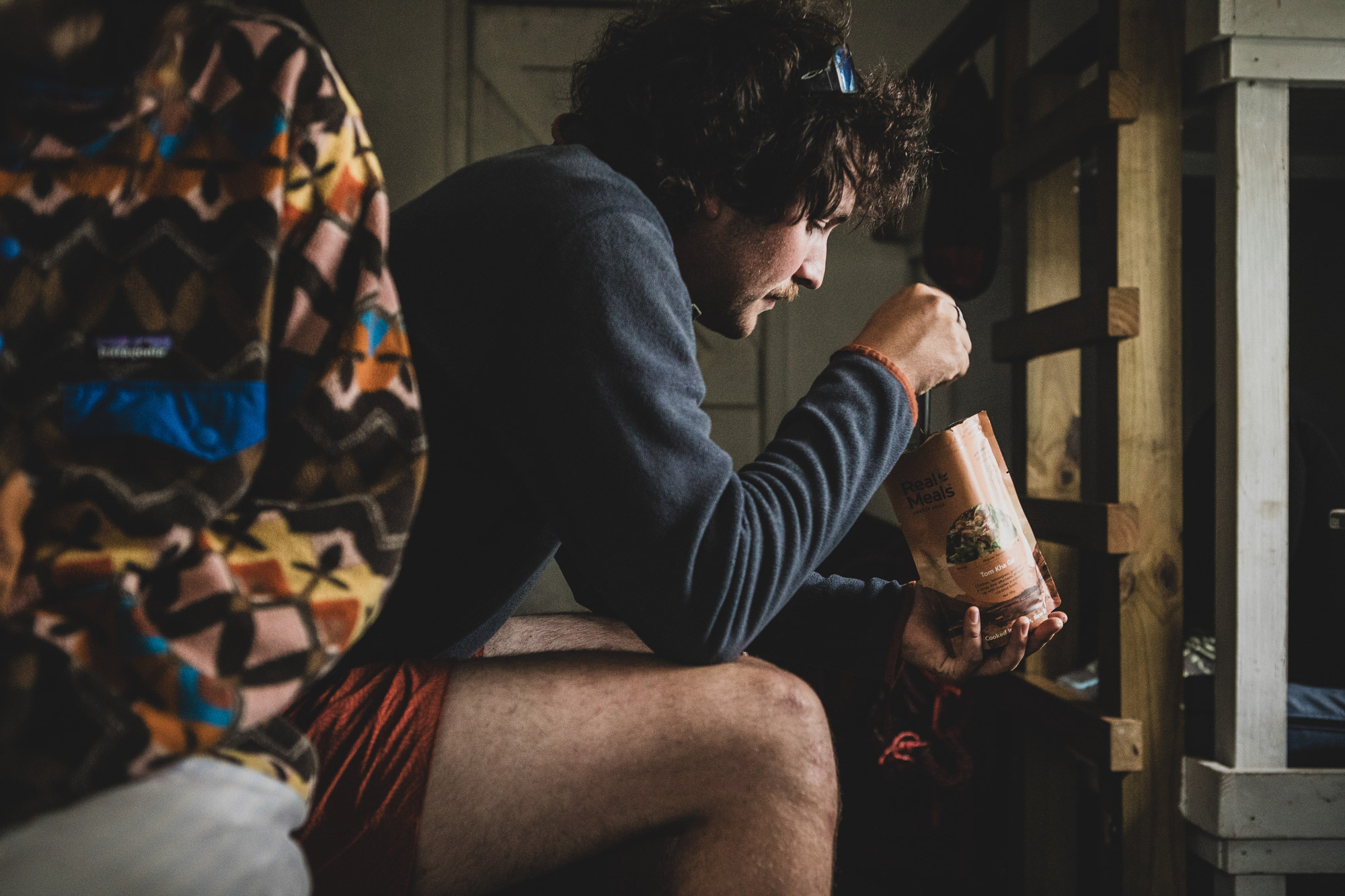
We celebrated Max’s 16th birthday with gourmet Real Meals and got chatting with ranger Ben about his work trapping feral cats in the surrounding hills. As darkness settled and we began eyeing our sleeping bags, we heard the unmistakable sound of more trampers approaching. Given it had been raining solidly for hours, we knew they would be soaked.
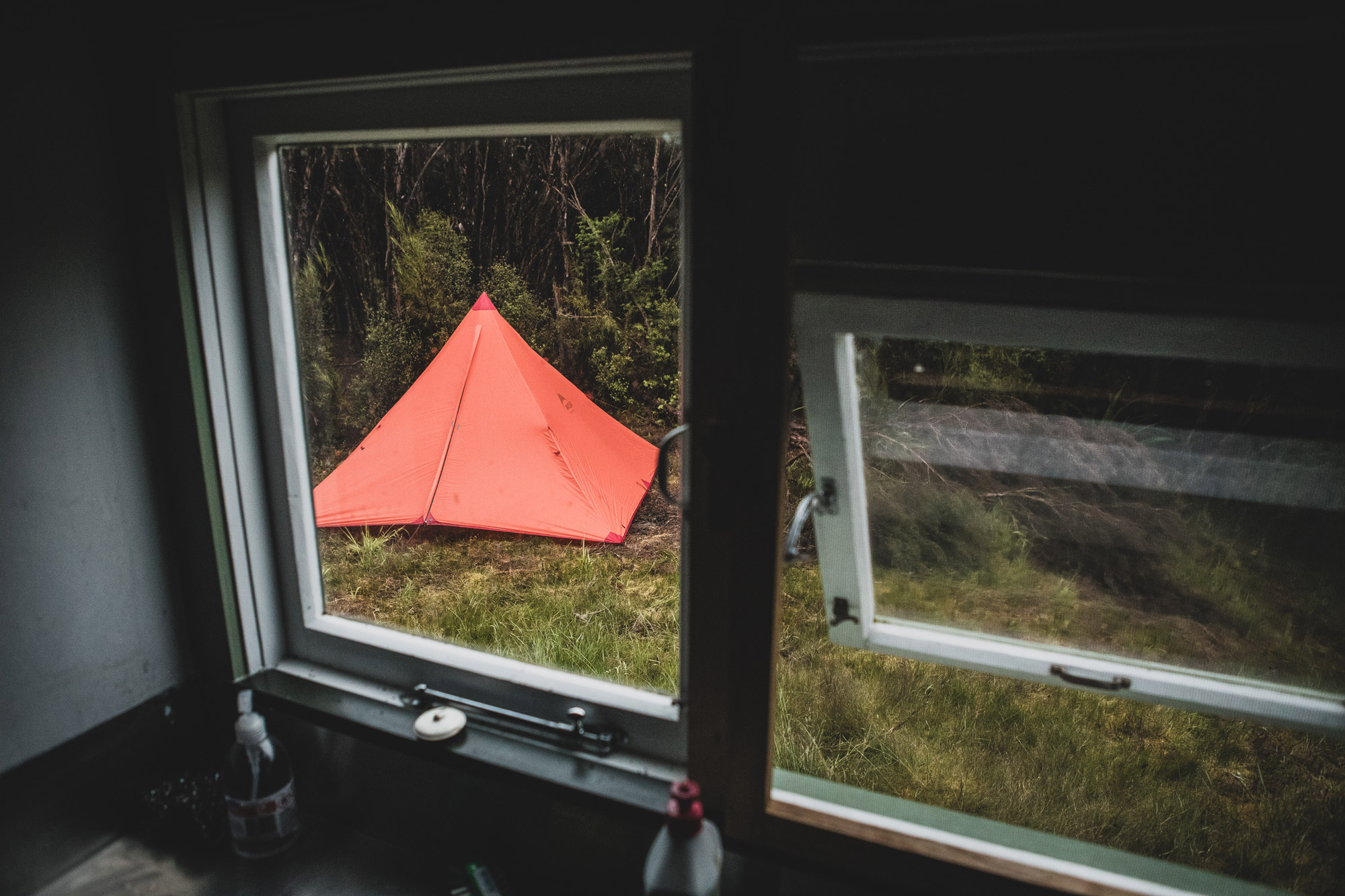
When they stepped inside and realised the hut was full, the disappointment was obvious. The two trampers were a mother and daughter walking the Southern Circuit clockwise from Fred’s Camp. Like the French tramper we had met earlier, they confirmed that DOC’s posted time of five hours was optimistic. It had taken them ten, ten hours for roughly 12 kilometres. Feeling for them after their long wet day, Elliot and I pitched our tent in the rain so they could take two dry bunks. Their next day was going to be even longer than the one they had just finished.
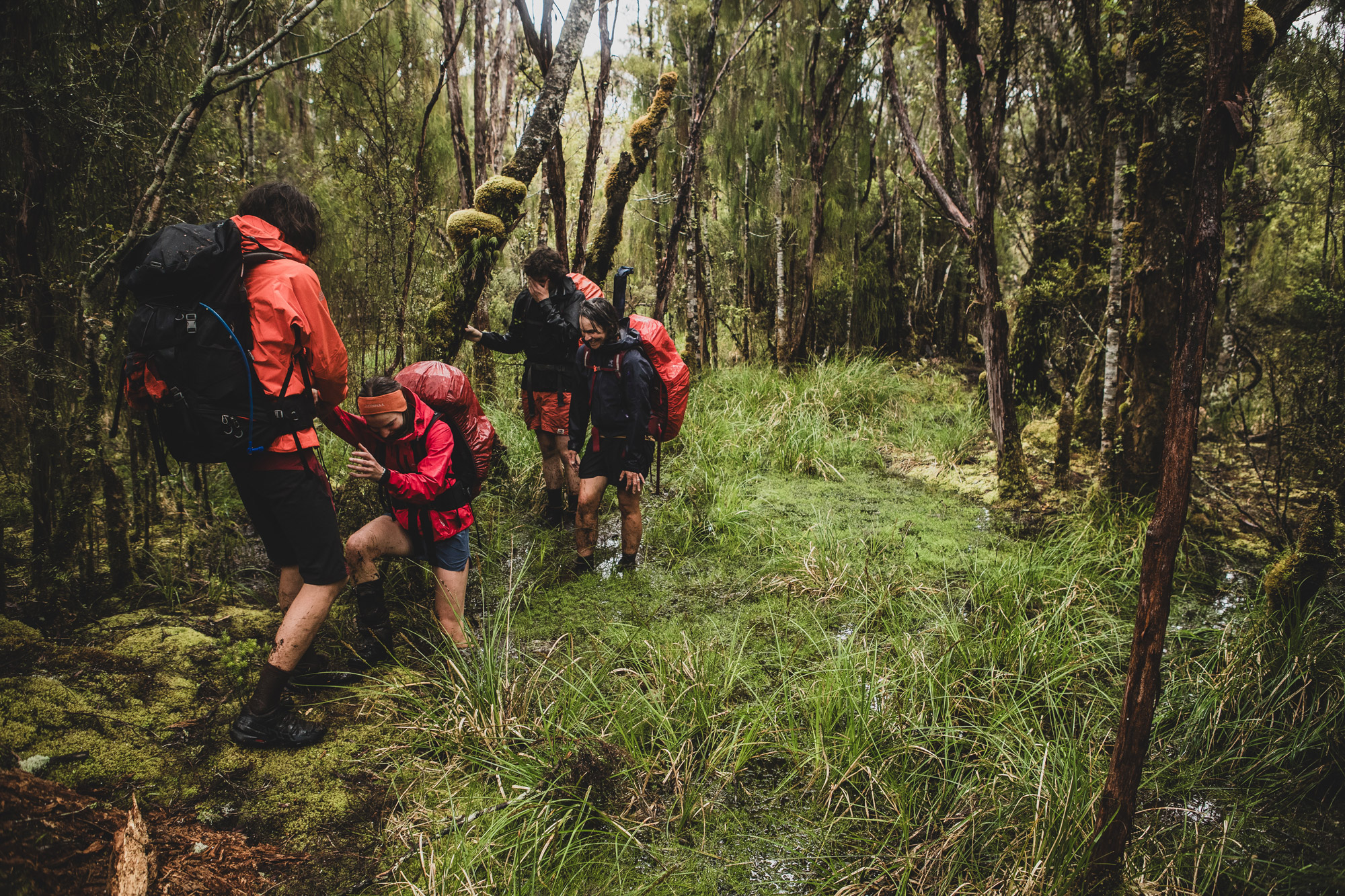
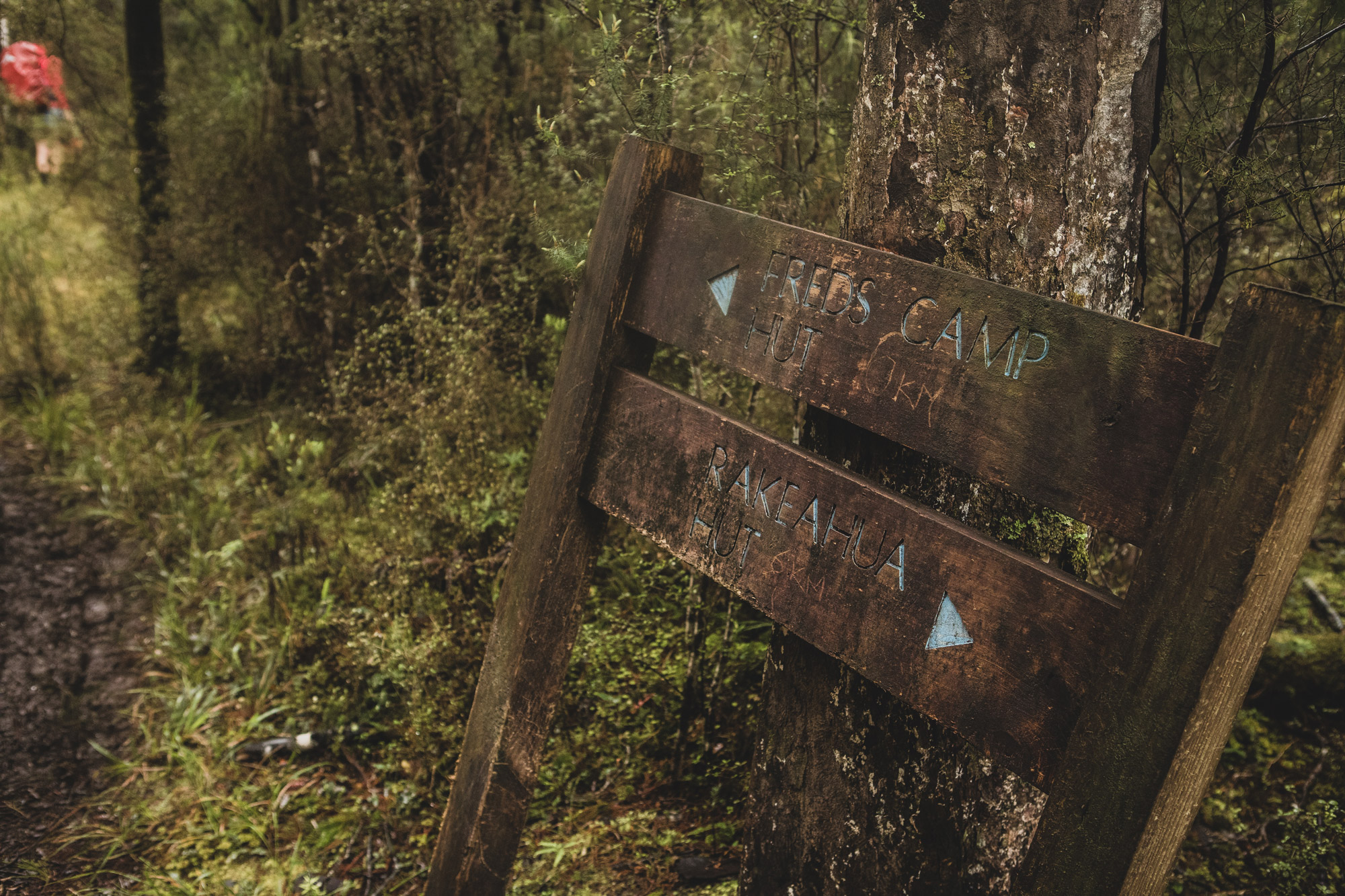
The first twenty minutes of the next morning felt deceptively easy. Light rain, manageable bogs, decent progress. Then the pattern returned. Bogs with no way around them, we just had to commit and step in. Thankfully, these were more wet than muddy, mostly knee deep with the occasional thigh high surprise. At the four-kilometre mark, where the Rakehua River merges with the South West Arm, the track climbed onto the lower slopes of Mt Rakehua and the worst of the bogs eased off. We were moving well now, and when we passed a halfway sign at just over two and a half hours in, we allowed ourselves a dangerous thought. Maybe the DOC time was right.
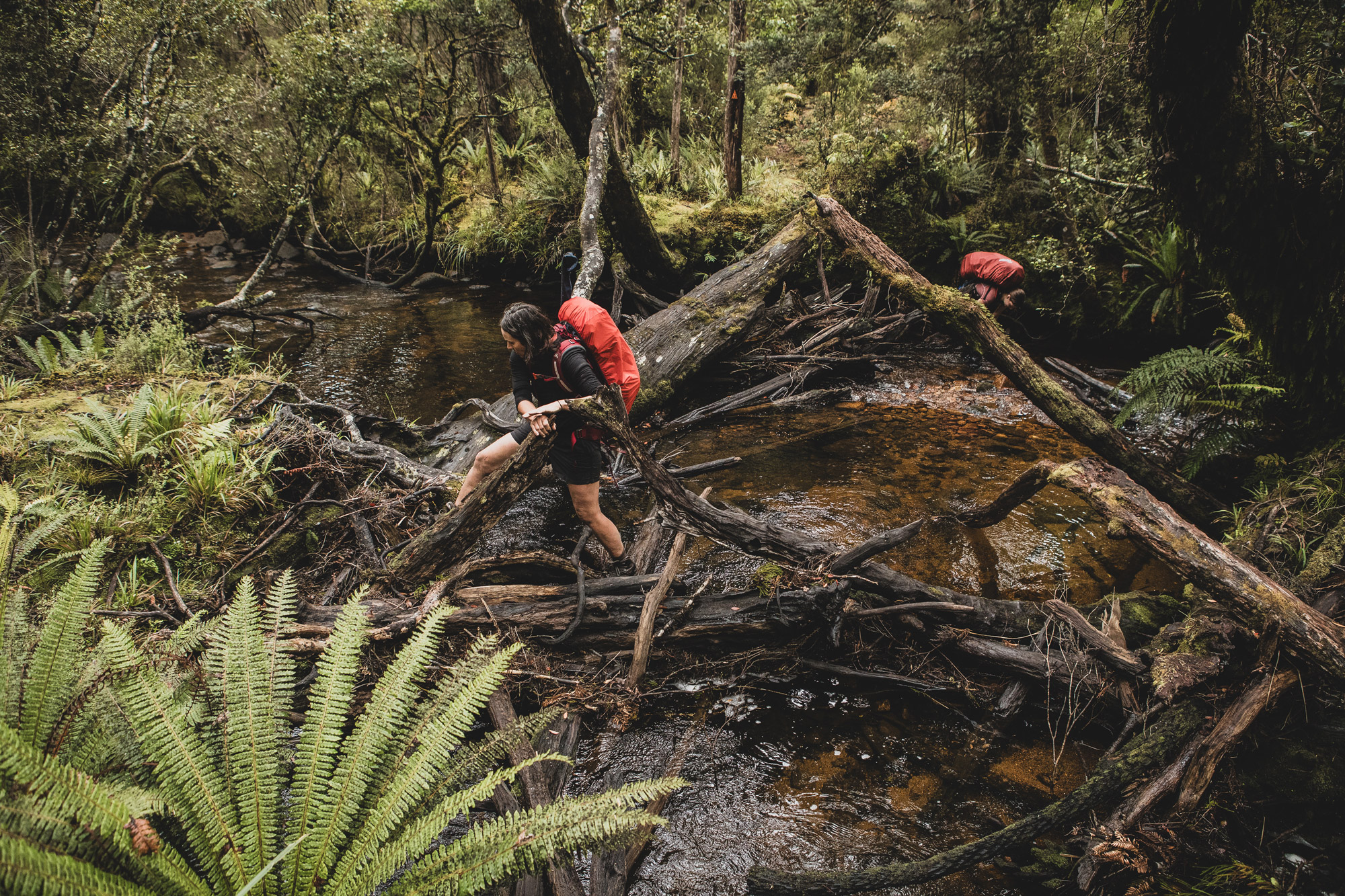
From here, the bush was simply gorgeous. Towering kāmahi and rimu surrounded us, and the forest floor was covered in lush wet ferns. The trail rose and fell constantly, weaving through clear streams with no bridges in sight, fallen logs did the job instead. There is a rawness to the Southern Circuit that feels like stepping back in tramping time.
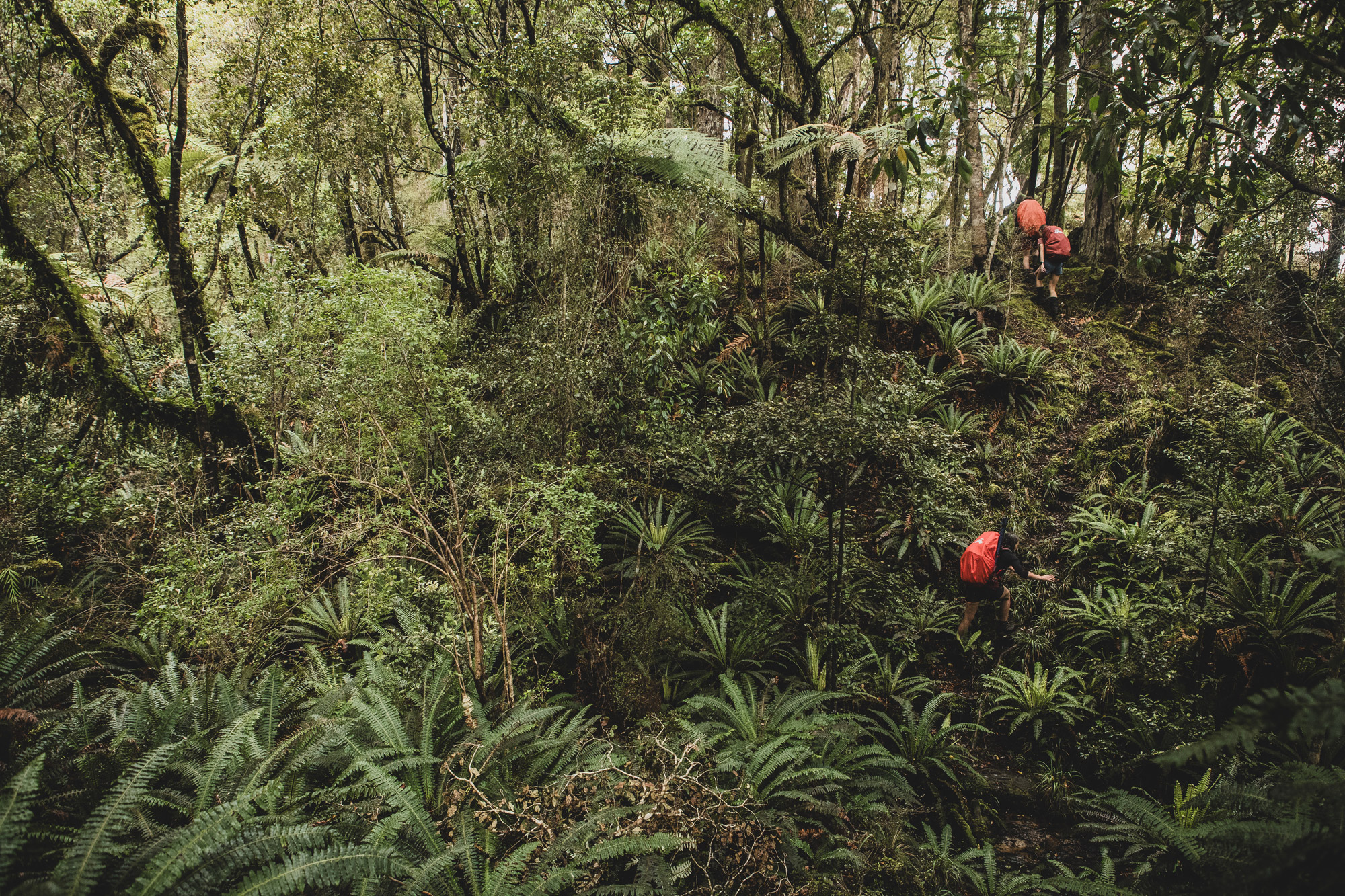
Not long after the halfway mark, Max stopped abruptly. Over a small rise, he had spotted a kiwi standing squarely in the middle of the track. Eliza arrived seconds later and described what can only be called a chonker. They swore it was so big it resembled a moa more than a kiwi, complete with a visible neck and a massive body. Elliot caught a glimpse as it bolted into the ferns. Emma and I missed it, but the tally climbed to five daytime kiwi sightings. Not bad for one trip.
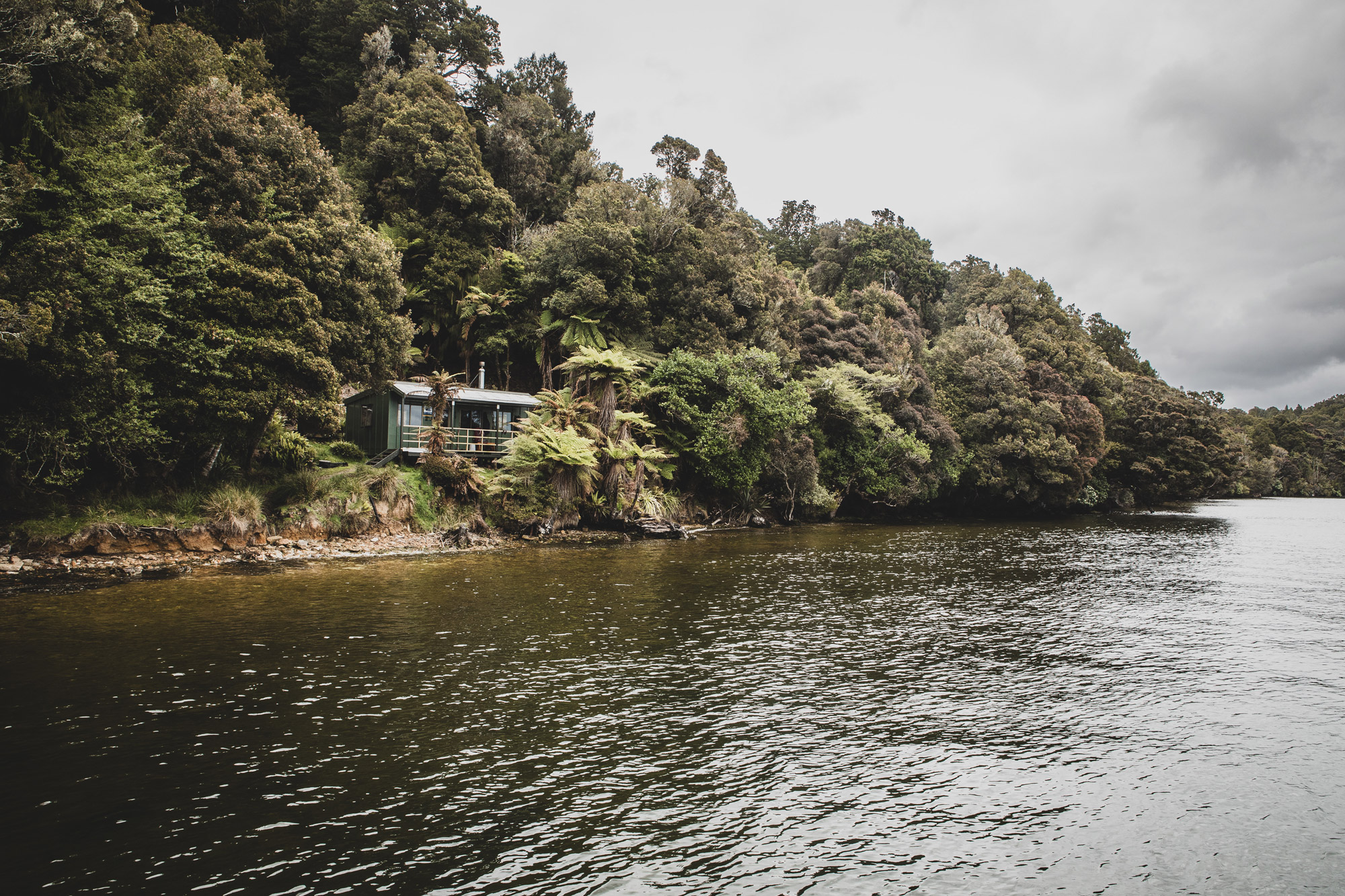
Five hours and thirty minutes after leaving Rakehua Hut, Max, Elliot, and Eliza reached Fred’s Camp Hut. Emma and I rolled in fifteen minutes later. The ten-bunk hut, complete with its own jetty and spacious dining area, was meant to be our final night. Surely we could redeem ourselves with some fishing off the jetty. But worsening weather had other plans. Our water taxi driver Rakiura messaged to say he was not confident about conditions the following morning and suggested an early pickup that evening. We trusted his call.
A few times, Emma and I asked each other who we would recommend the Southern Circuit to. At first I thought it had to be the hardcore fit tramper, someone who likes a bit of type two fun. But then there was the mother and daughter grinding through ten hours in the rain and still smiling. The solo French tramper buzzing on nothing more than being out there. Maybe it is not about fitness or experience at all. I would recommend it to anyone who does not take themselves too seriously. Someone who doesn’t mind being wet, muddy, and really working for that hut or tent mattress at the end of the day.
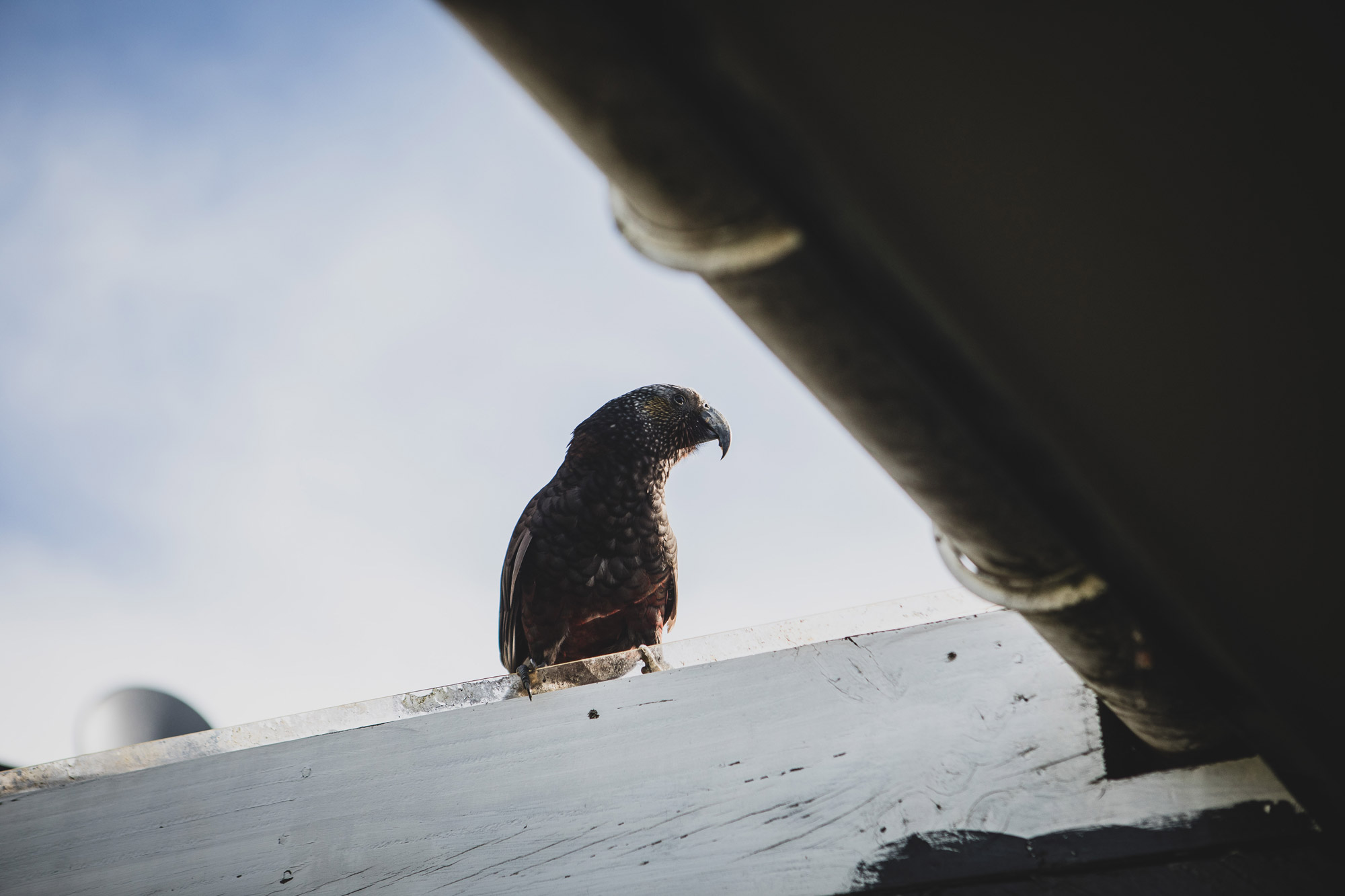
Looking back, it was never about the distance or the time. It was about the crew, the shared trauma, and the wildness of a place that still feels relatively untamed. The Southern Circuit demands something from you. In return, it gives you stories you will be telling for years.