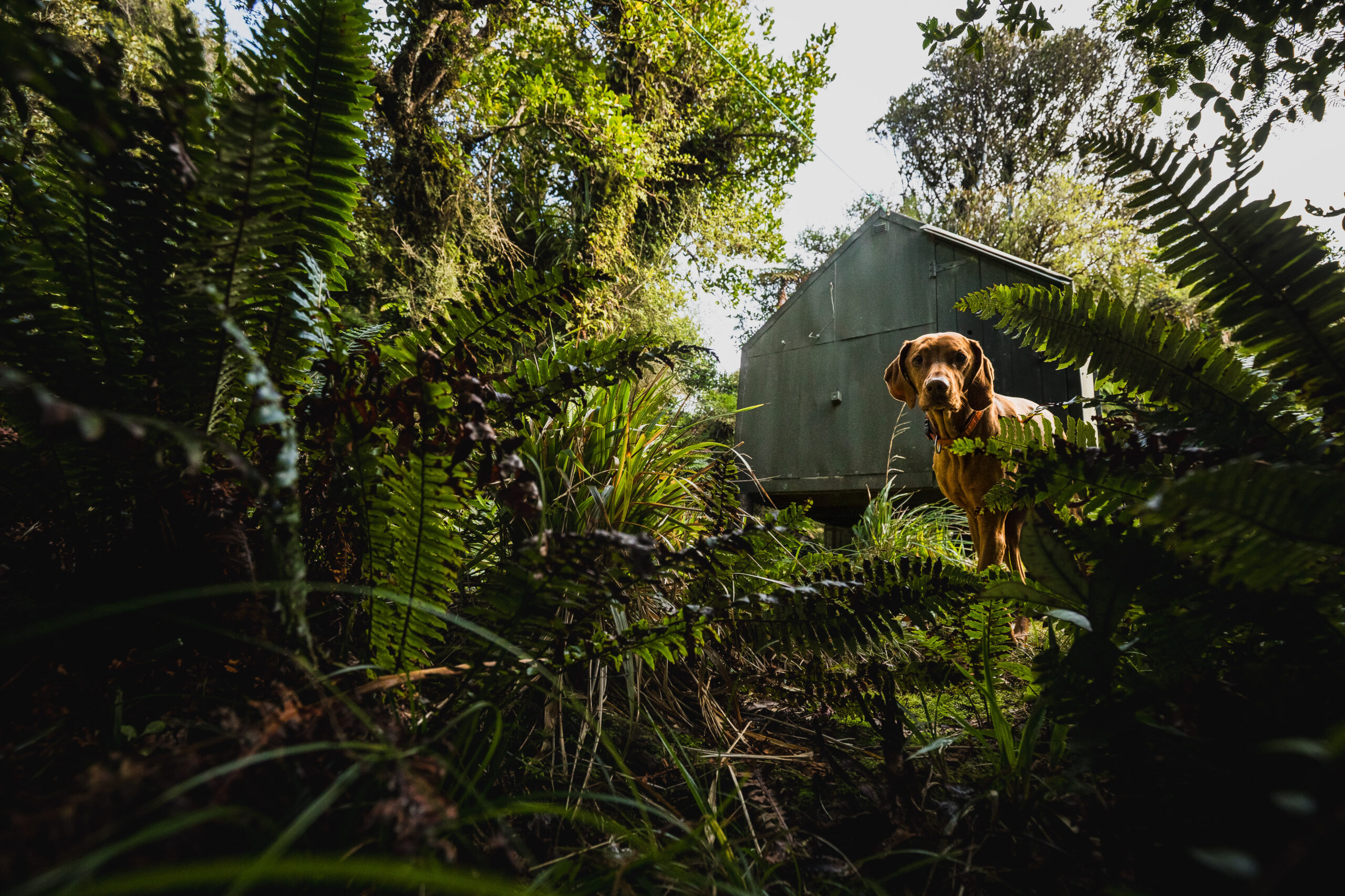
Under the “Getting There” tab on DOC’s page for North Mangahao Bivvy, it states: “To get there, you need good navigation skills as it involves going through a lot of bush without clear landmarks.”
North Mangahao Bivvy is the northernmost hut in the Tararua Forest Park. Located on the Wairarapa side of the range, near where the Mangahao River exits the forest west of Eketāhuna, it was built in 1964 by the Bush Branch of the New Zealand Deer Association and has earned itself something of a cult-like reputation.
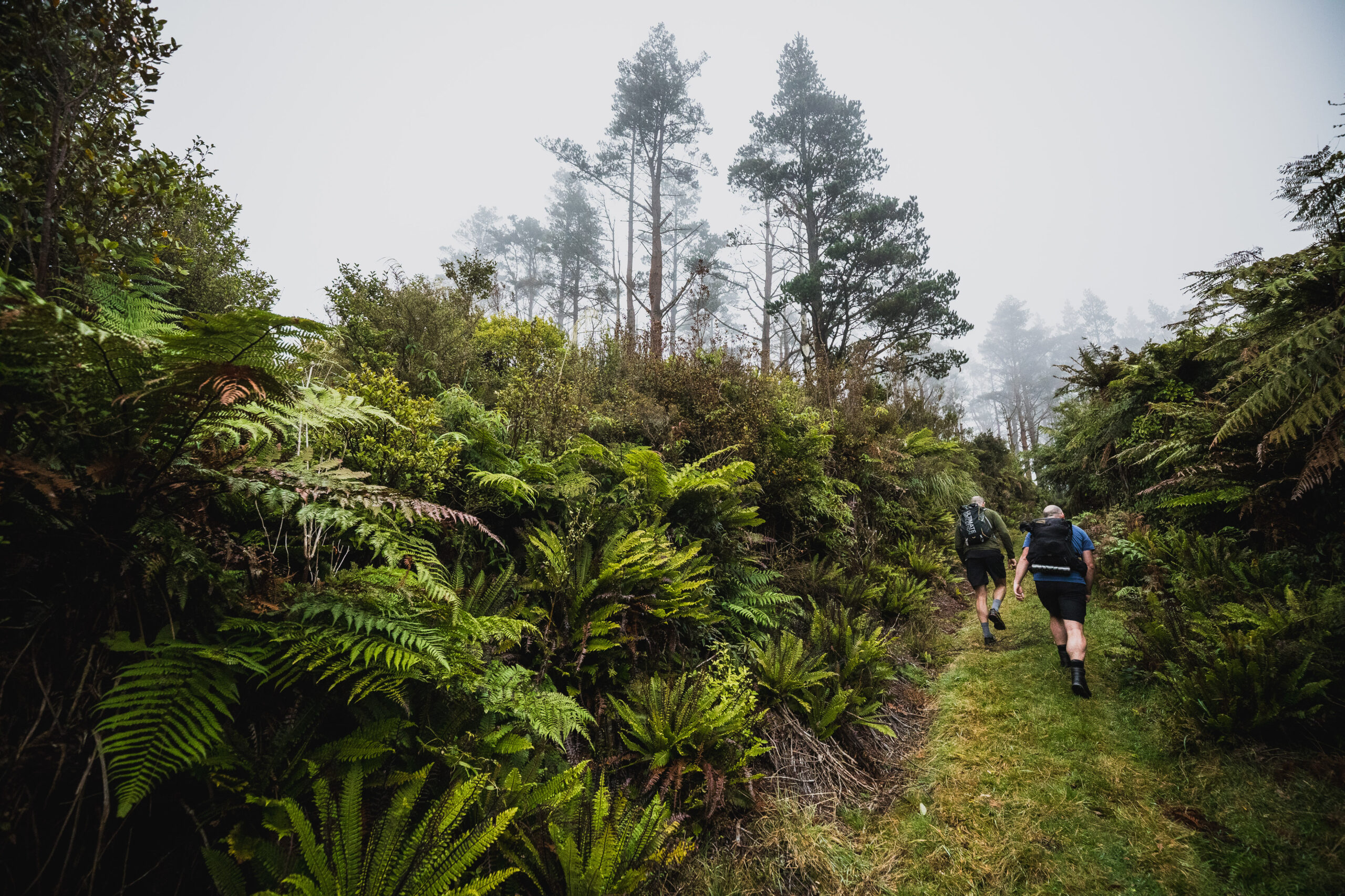
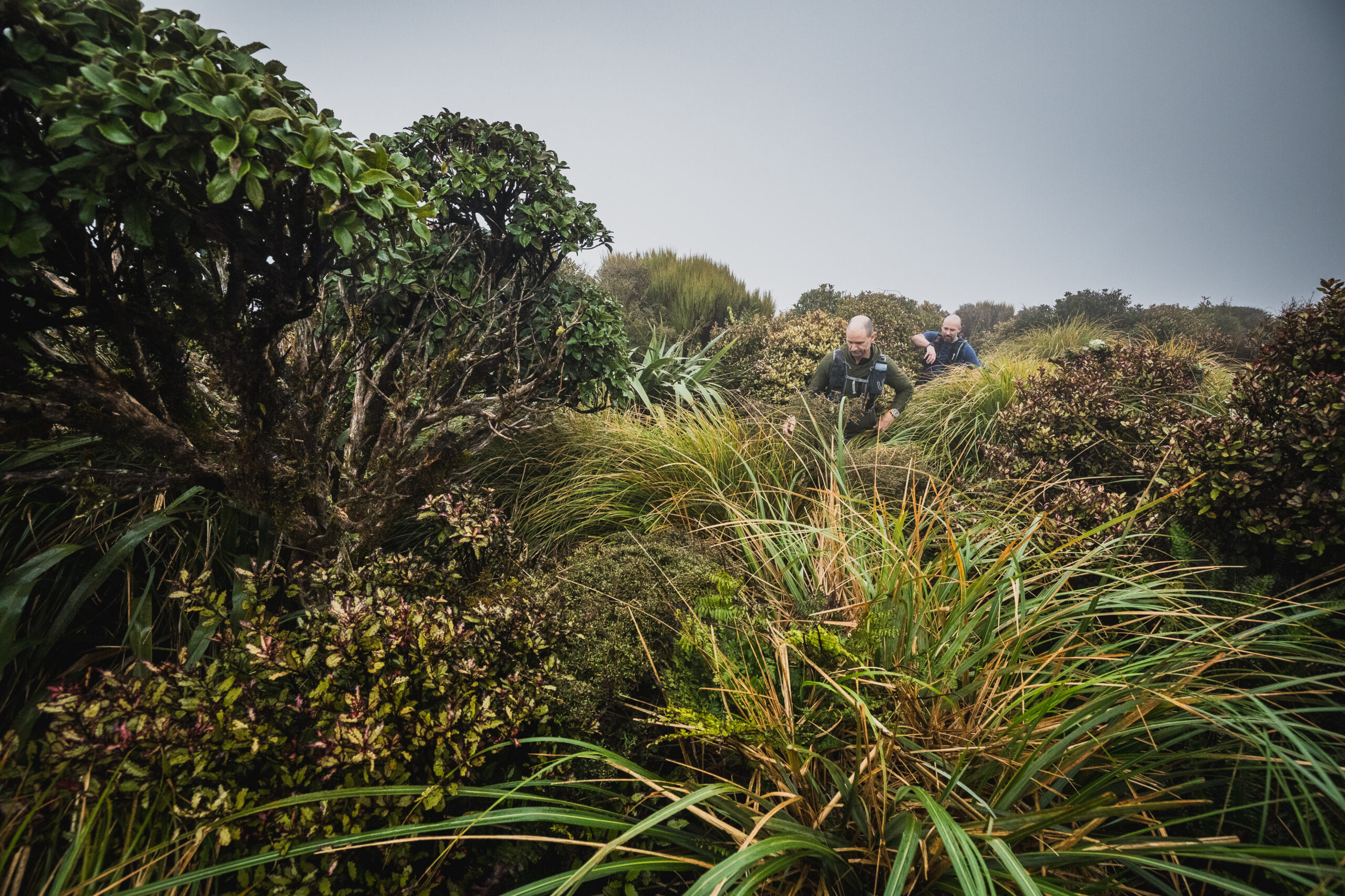
No tracks lead to the bivvy, and despite its location on the eastern side of the range, it is publicly accessible only from the west. The terrain is dense, scrappy, and mostly regenerating bush. The relatively low-lying hills limit views and make navigation by landmarks difficult. There are sporadic tape markers on trees, but these often stop abruptly or lead into local hunting haunts. Anyone who suggests on social media that they might mark a route to the hut is quickly rebuked and educated on the fact that the bivvy is a truly wild Tararua experience.
That said, over the last 10–15 years, as blogging and hut bagging have grown in popularity, tramping clubs and individual trampers have started posting trip reports with loose instructions on how to find this forest-green needle in a haystack.
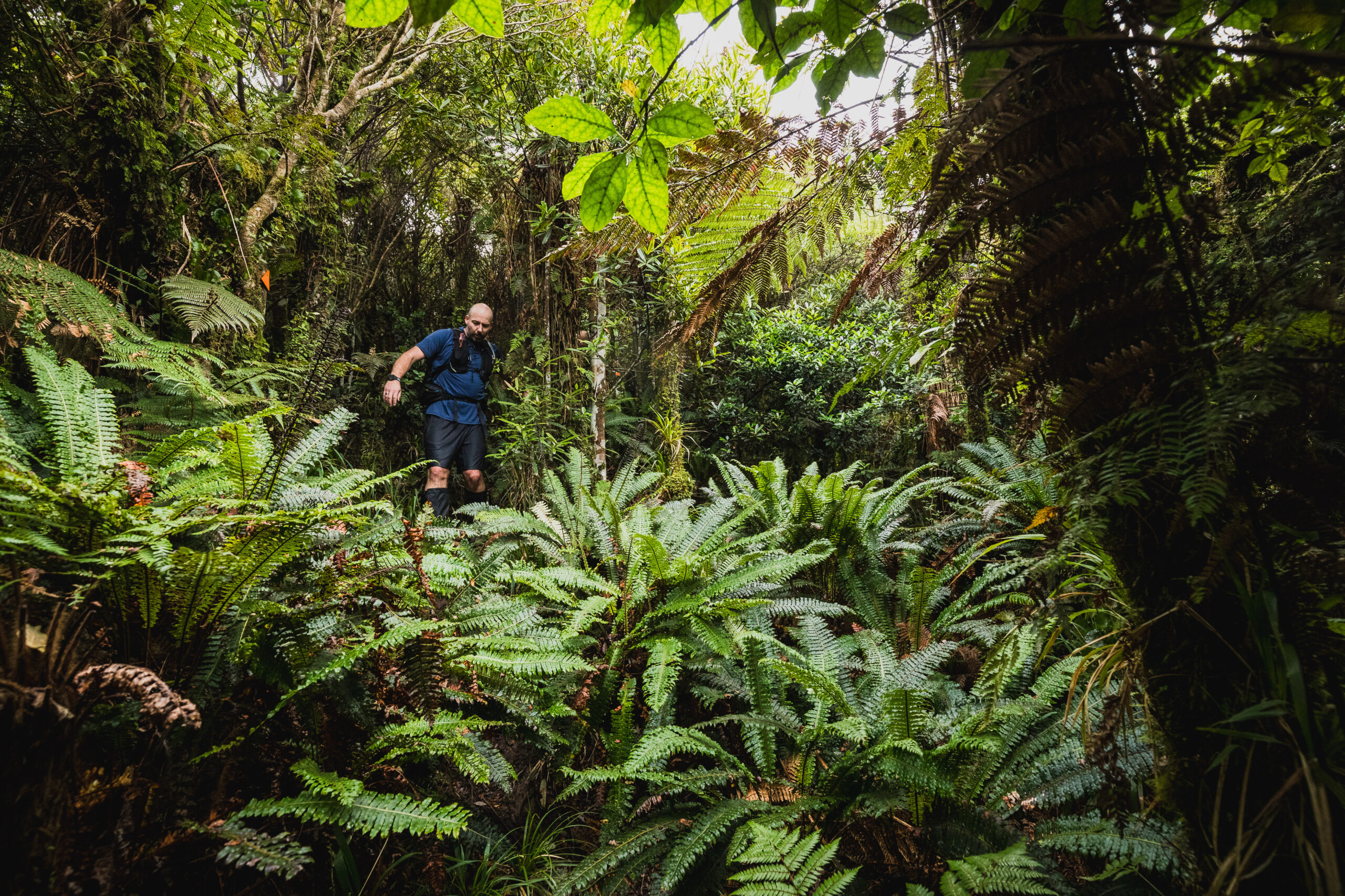
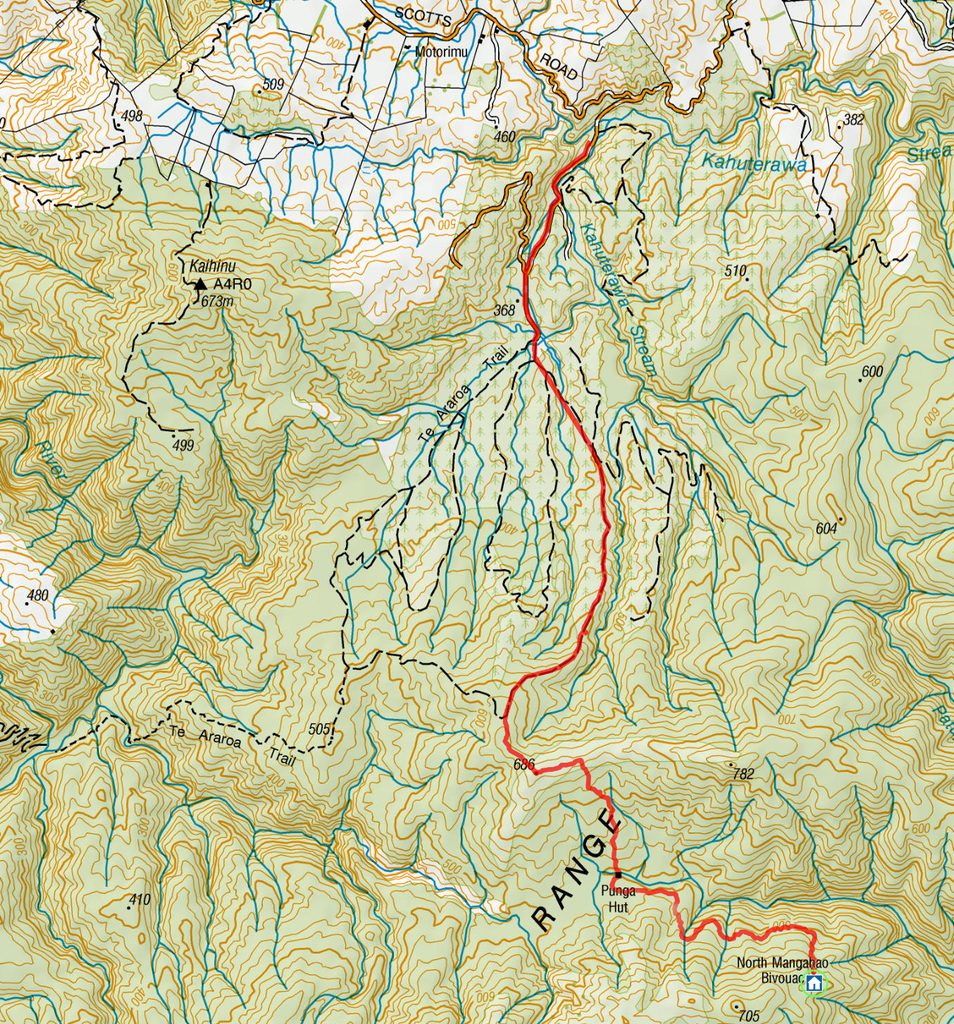
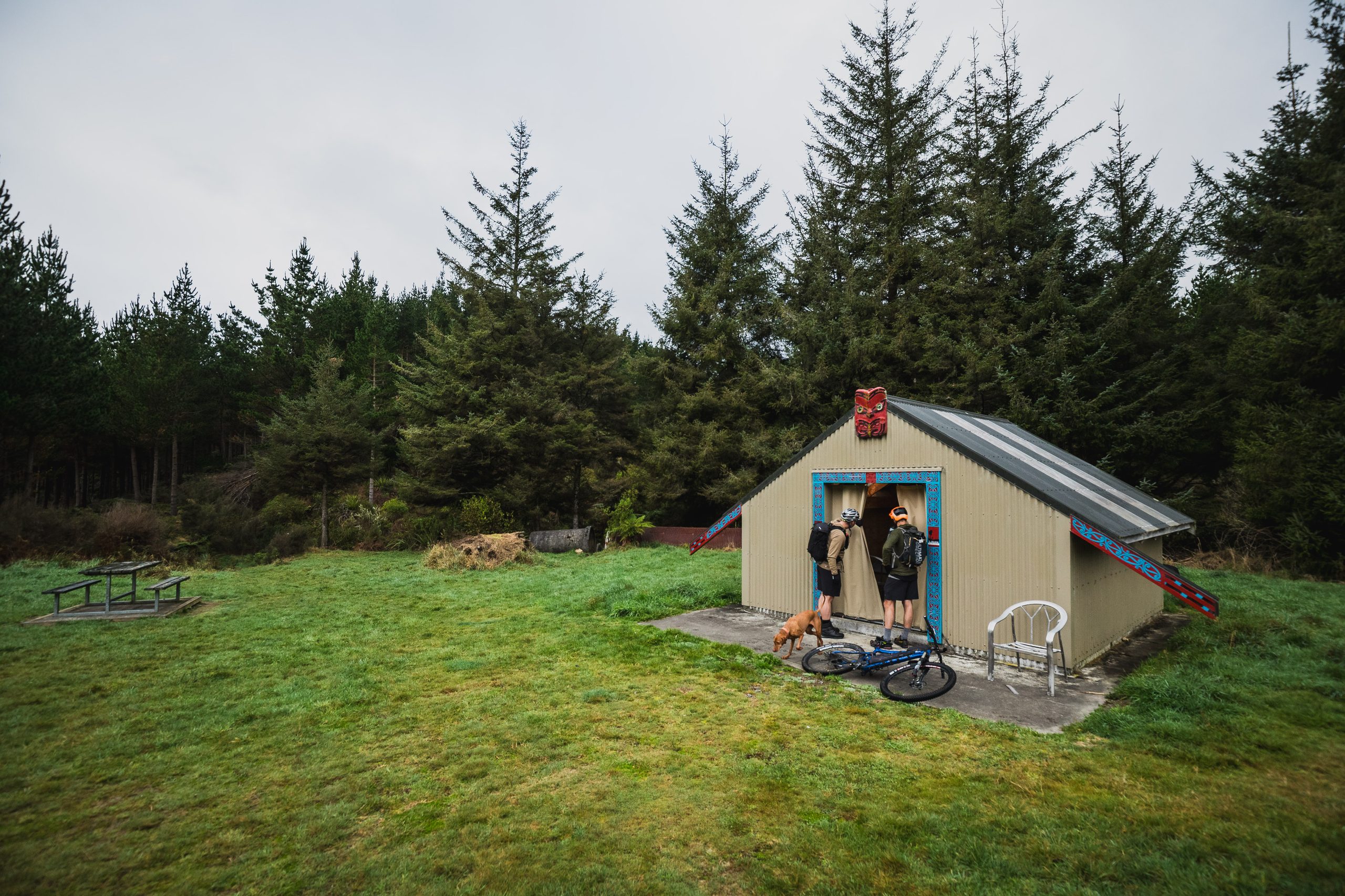
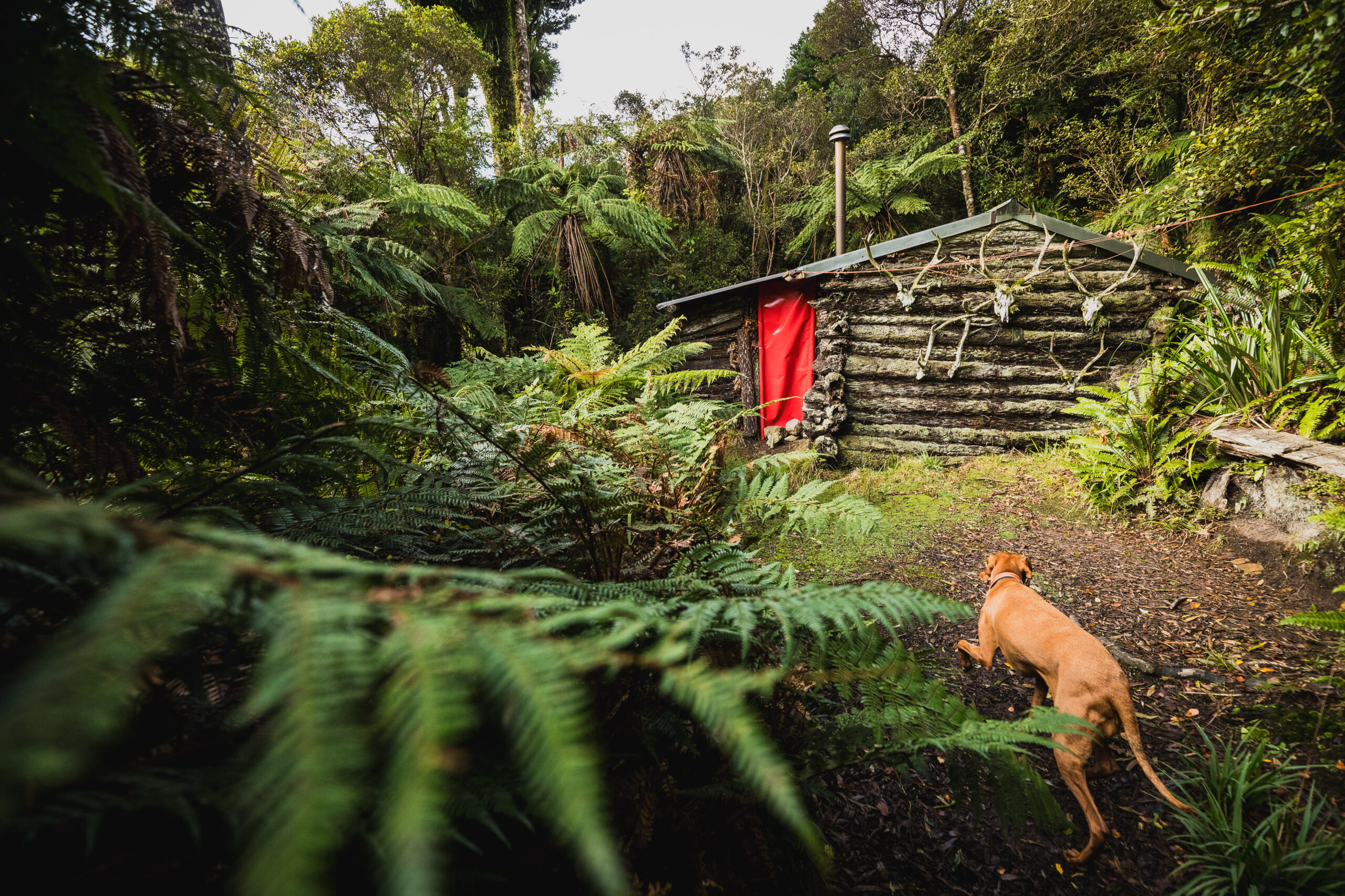
One of the big lures for hut baggers was that not only would they get to tick off the bivvy, but the route from Scotts Road, just south of Palmerston North, also passes Miro Valley Hut, better known as Punga Hut. Built in the 1960s in the style of an American log cabin, but using punga, it has become something of a destination in its own right. These days Punga Hut is no longer much of a secret. It’s marked on the latest Topo maps and even has DOC track markers leading to its bright red canvas door.
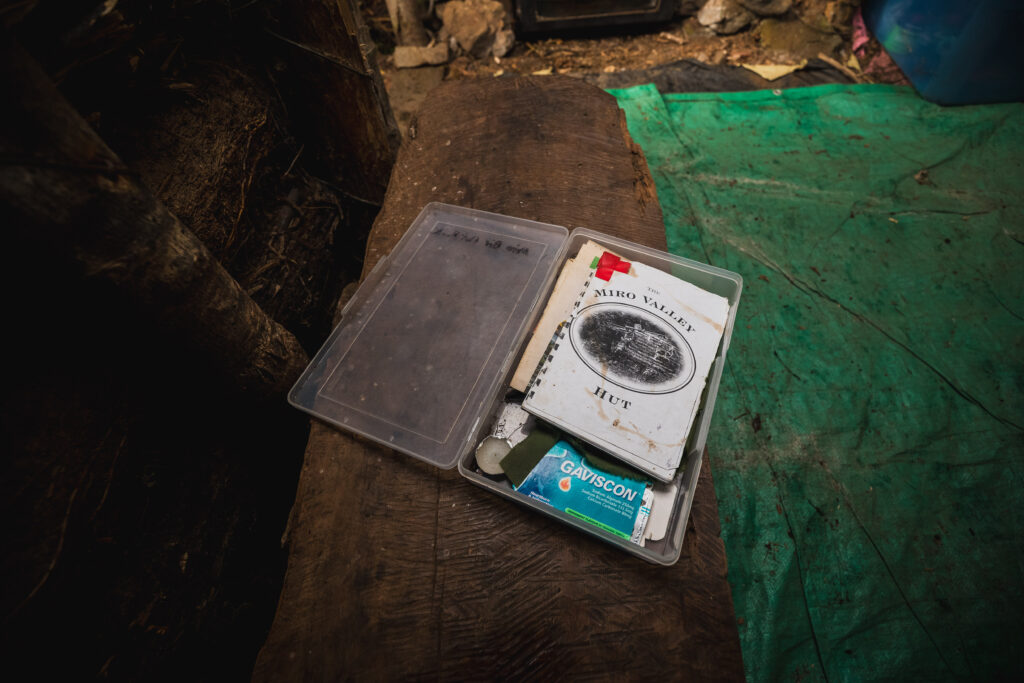
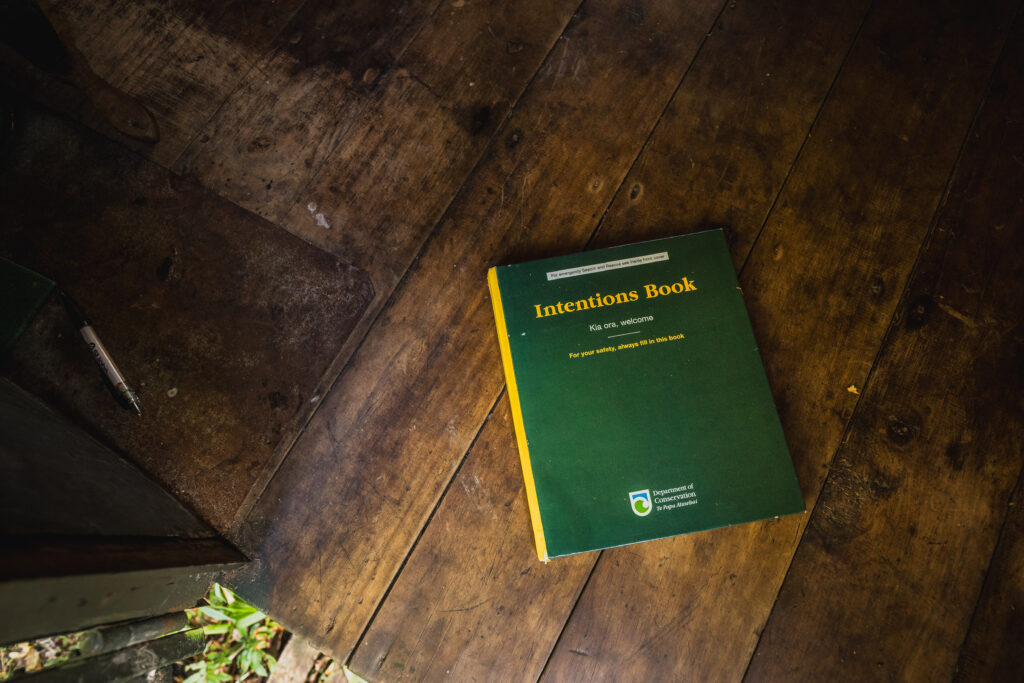
A read through the North Mangahao hut book reveals a wide range of experiences. Some describe a well-marked “super highway” leading directly to the bivvy. Others tell of spending four hours or more searching unsuccessfully before retreating empty-handed. Then some seem to have wandered straight in and out without issue.
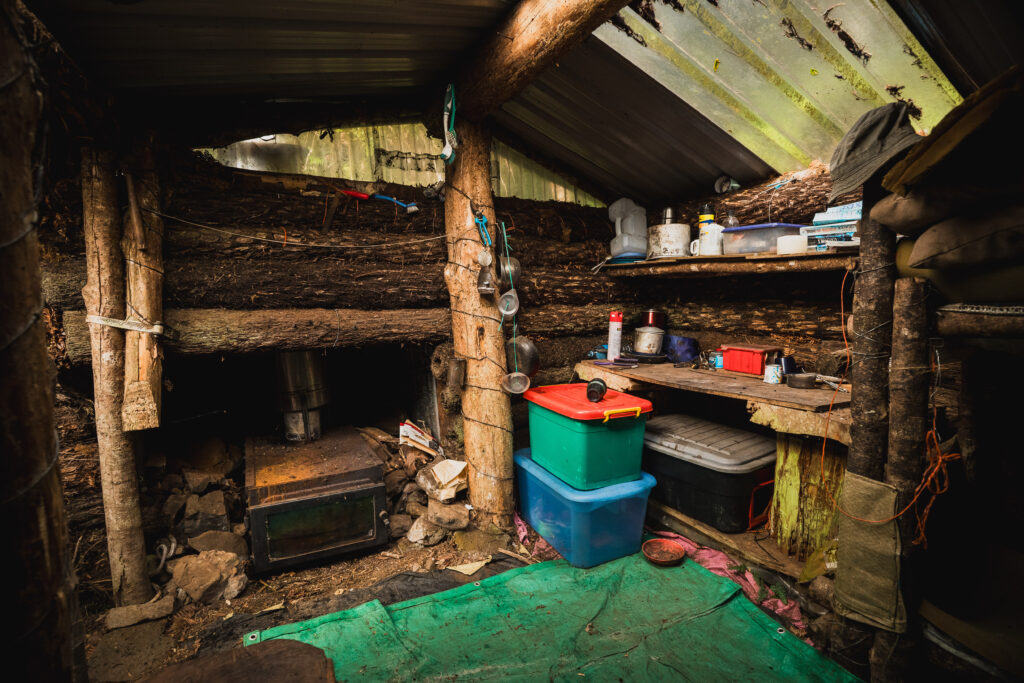
After years of hearing stories about the place, and one previous failed attempt at getting to the hut, I figured it was finally time to try again and see whether the legend lived up to the hype.
Jason, Rowan and I all love a bit of off-track navigation, so we were pretty excited to finally get a chance at ticking it off. A well-worn footpad behind the Punga hut carried us a few hundred metres before petering out. From there, we were on our own.
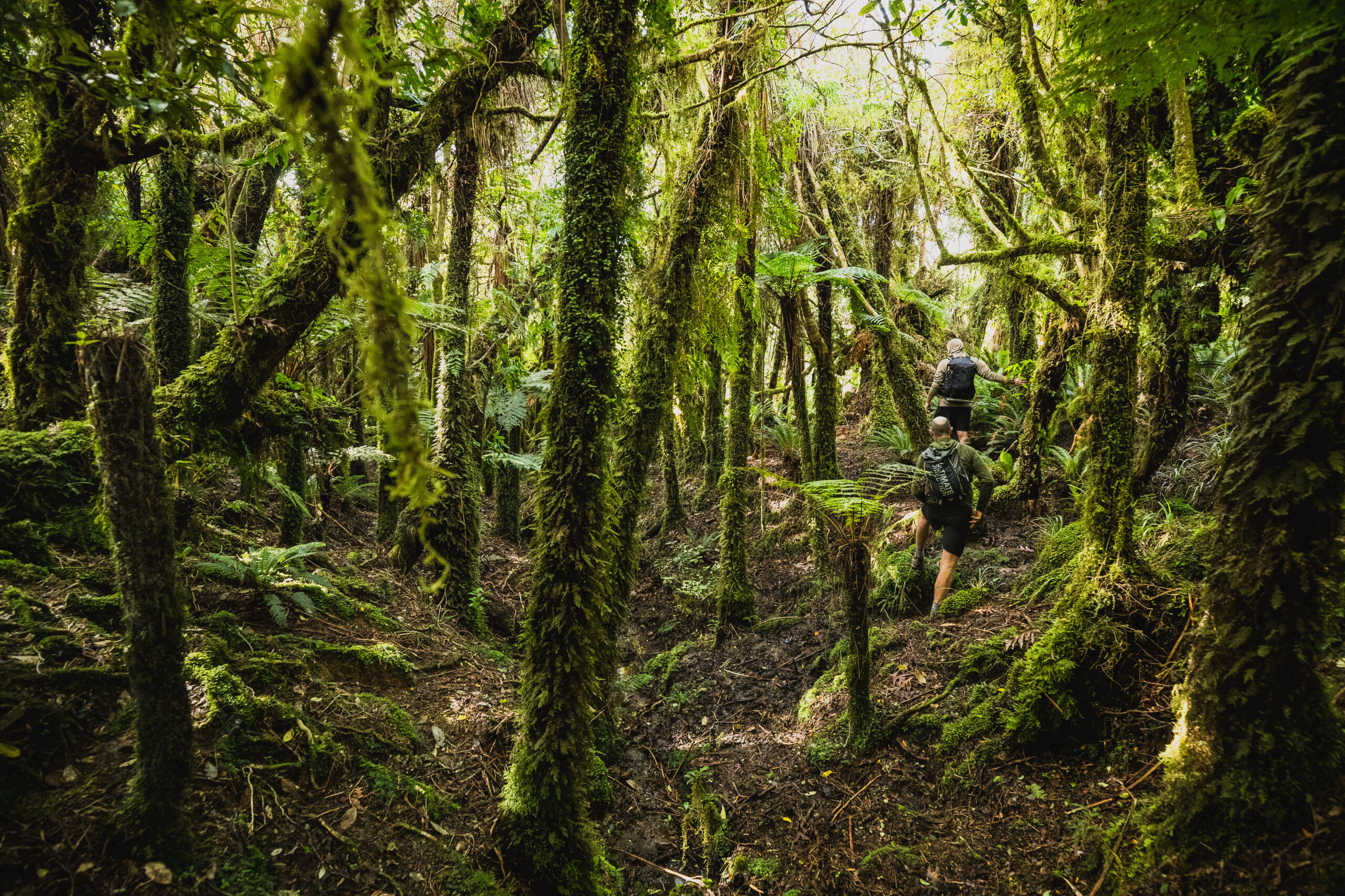
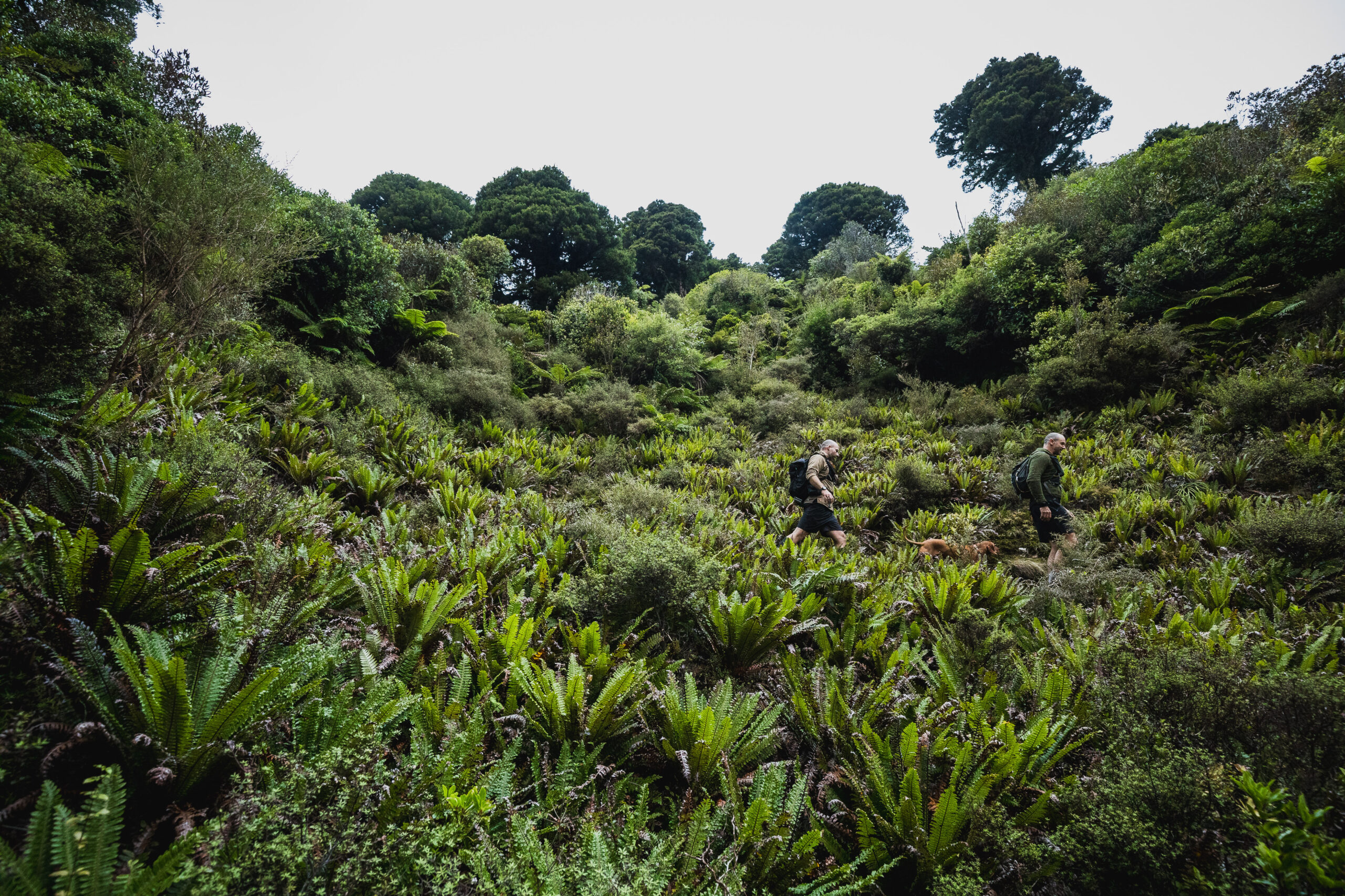
Across all the trip reports and social media posts, the one consistent piece of advice seemed to be to stay between 500 and 550 metres. Drop lower and steep bluffs begin to slow progress. Climb higher, and the bush becomes denser, often forcing you onto your hands and knees.
Even within that supposed sweet spot, travel wasn’t exactly easy. There was plenty of windfall to climb over, the occasional bluffs to sidle around, and enough dense vegetation to keep us honest. Still, compared to what lay above and below, it really did feel like a superhighway.
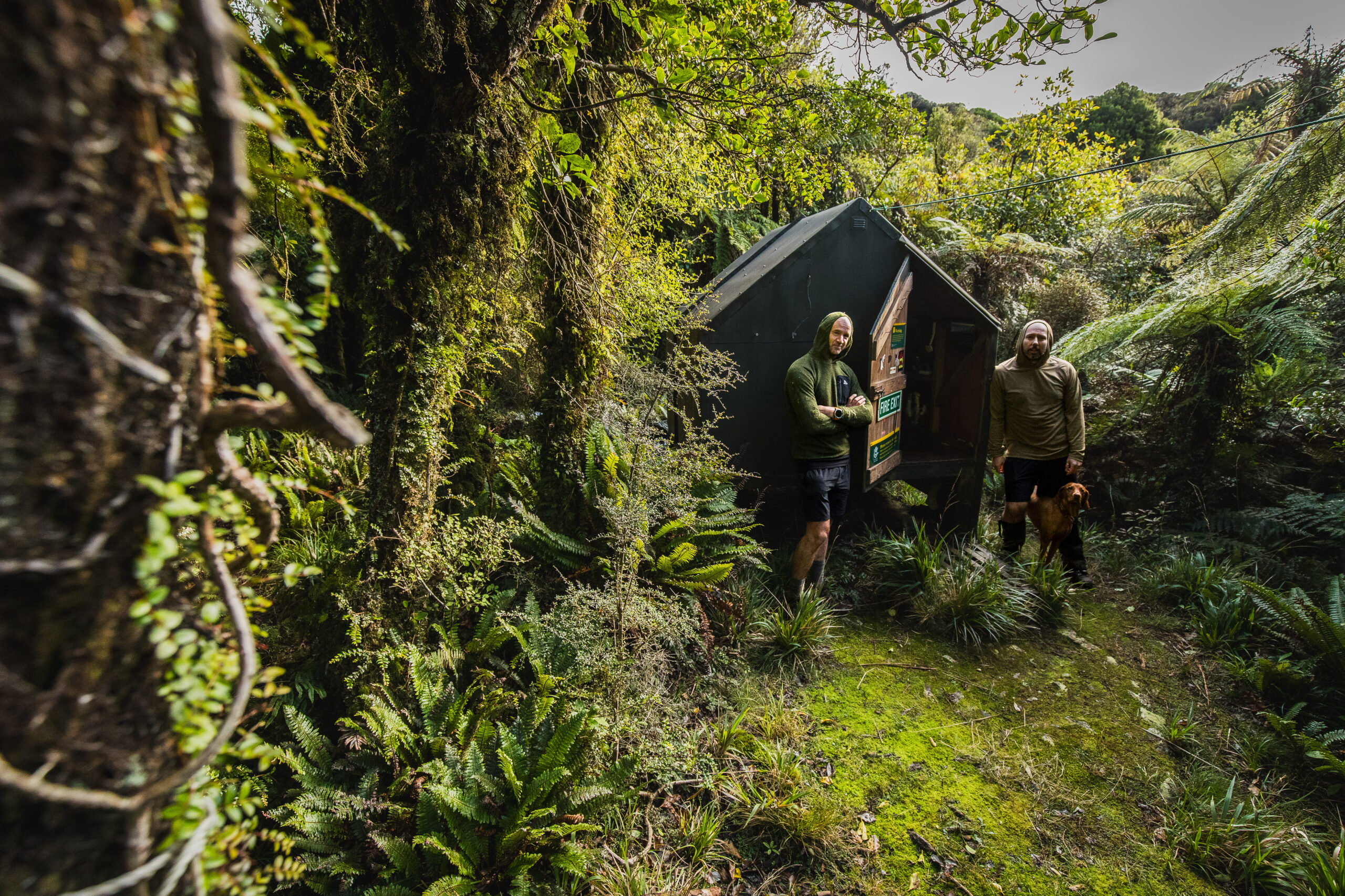
Despite all the stories we’d read, the navigation proved more straightforward than we expected. Modern phone and GPS technology certainly helped. What didn’t help is that North Mangahao is painted British Racing Green, almost the same colour as the surrounding bush.
That isn’t to say the trip was easy. By the time we reached the bivvy, all three of us had picked up our fair share of scratches from the dense bush and countless encounters with bush lawyer. Several days later we were still finding the occasional bit of bush lawyer buried in our hands, a small reminder that while modern navigation may have made finding North Mangahao easier, the Northern Tararua bush hasn’t become any more welcoming.
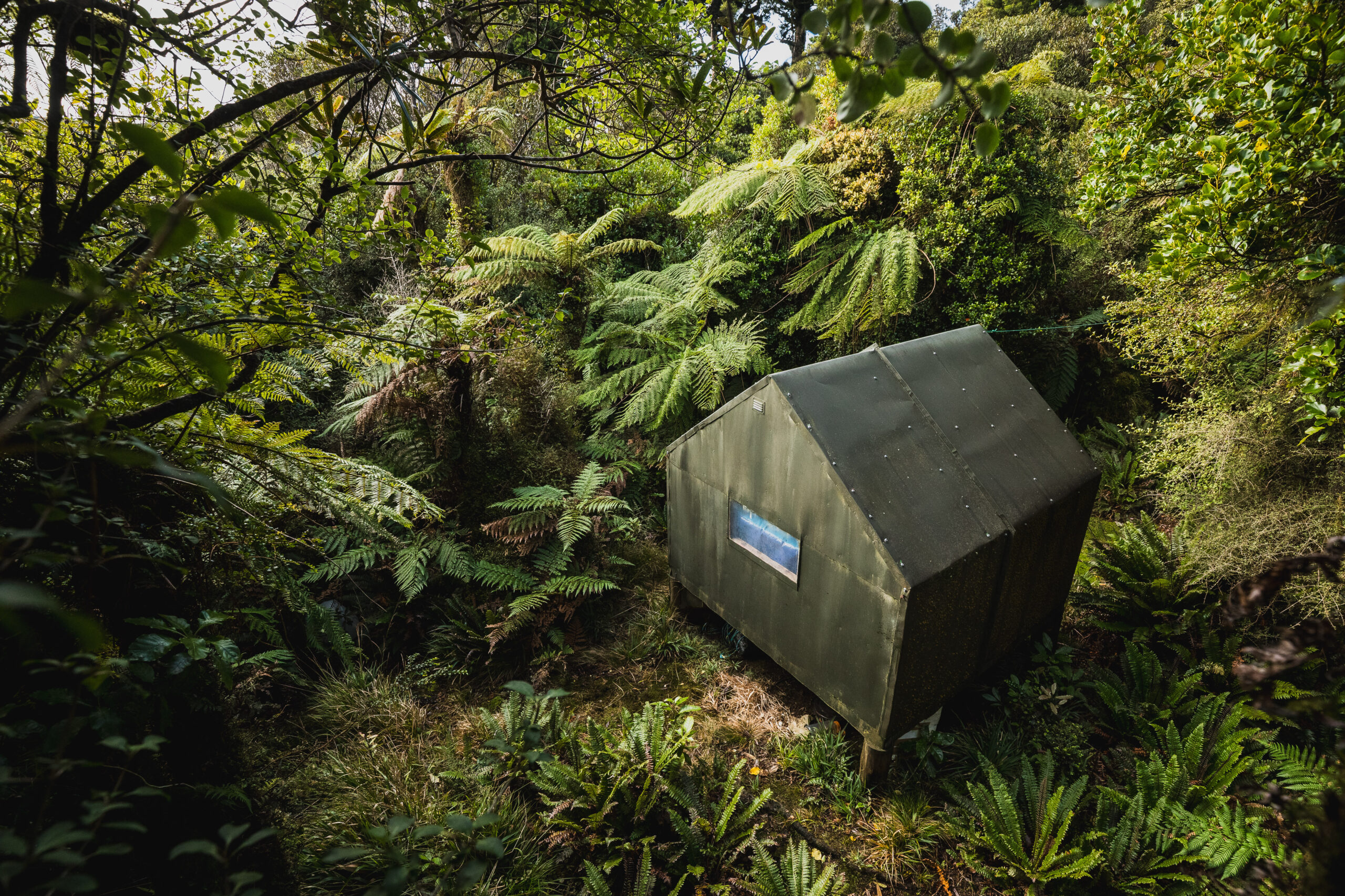
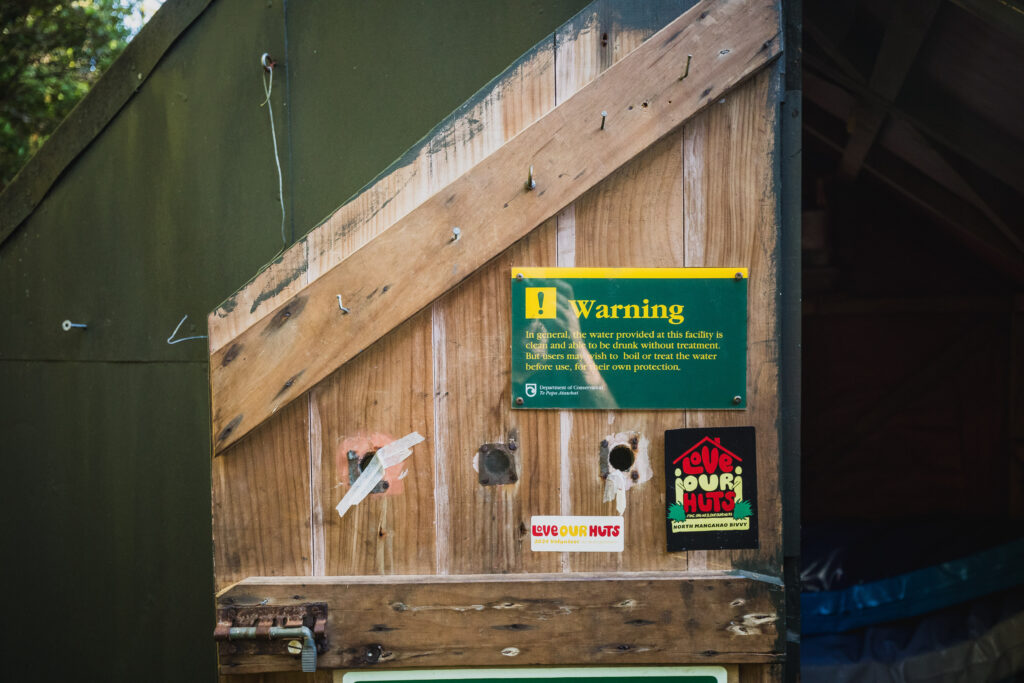
In the end, the bivvy appeared exactly as everyone says it does, suddenly and without warning. There’s room for a tent or two nearby, a water source, and a long drop. The bivvy itself is a classic dog-box design with two mattresses inside. Some kind soul has recently left a pair of folding deck chairs there, which are definitely a welcome addition.
North Mangahao Bivvy isn’t the prettiest hut in the Tararuas, and it’s not in a particularly spectacular location. The appeal is in the search itself. In an age where most huts can be reached by following orange triangles, North Mangahao still demands something more.